

06/25/2026
It’s that time of year where the mercury rarely dips lower than 70 degrees and relief from the heat and humidity is rare, even in the evening hours.
It’s summer in Nebraska.
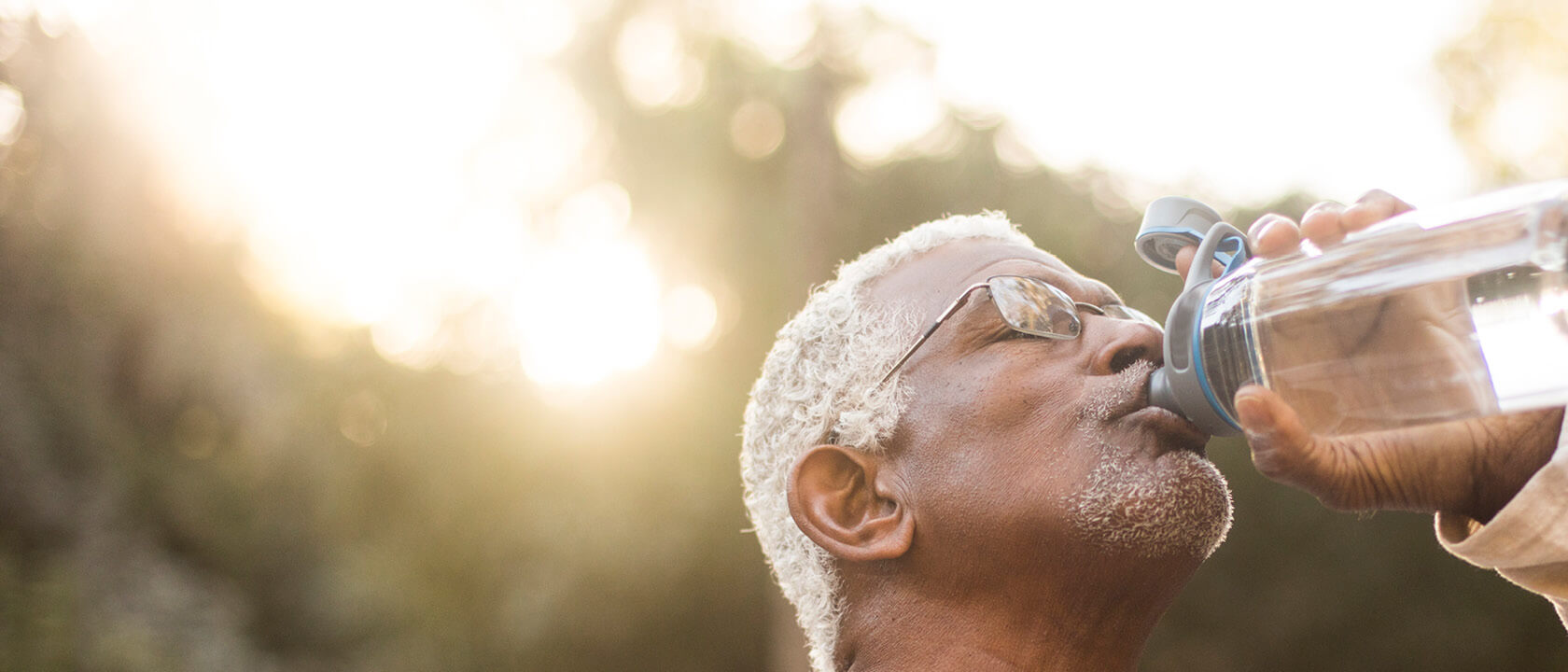
While it’s tempting to just stay indoors and enjoy the air conditioning, the summer time is about being outdoors. Whether you’re playing sports, cheering from the sidelines, or just soaking up the rays, Nebraska’s summer heat can increase your risk of dehydration. Understanding how to stay hydrated and recognize the warning signs of heat illness can help keep you and your family safe all summer long.
It’s important to stay safe when out in the heat and sun to avoid heat illness, heat exhaustion and heat stroke.
Athletes have hydration principles ingrained in their heads season after season, but spectating parents, family, and friends rarely consider their own summer heat safety. It’s important for spectators and those enjoying outdoor activities to follow the same heat protection principles as athletes:
How to Stay Safe in Hot Weather
Wear Sunscreen to Protect Against Summer Sun Exposure
While it’s tempting to get your summer bronze on, it’s important to wear an effective SPF (at least 30) sunscreen for your time spent outside and just as important to re-apply correctly based on activities and time outdoors.
Hot Weather Hydration
“8 cups of water a day” is an easy one to remember but doesn’t always meet the needs. Mayo Clinic reports men can need as much as 13+ cups of water per day while women can need 9+.
Many studies vary as every person is different in their body composition and level of dehydrating activities. It’s important to listen to your body, if you are feeling sluggish and are frequently hungry — even after eating — try drinking more fluids.
Water is cheap and calorie-free, but if you cringe at the thought of having to down that much water in a day, using a liquid water enhancer can make things a bit easier. Be careful using alternative beverages like energy drinks — they can make dehydration worse.
Foods that Help You Stay Hydrated
All your fluids don’t have to come in liquid form.
Water-dense foods like spinach and watermelon are great ways to increase fluid intake on top of the vitamins and fiber they have to offer. Bananas offer potassium, an important electrolyte for body function, and if you are a habitual eater of more processed foods, you are most likely getting a good dose of sodium in your diet.
Most Hydrating Foods
- Watermelon
- Spinach
- Bananas
- Strawberries
- Cucumbers
- Celery
- Lettuce
Before changing up your dietary habits, it’s important to talk with your physician, especially if you are under supervision for high blood pressure or diabetes.
Know the Signs of Dehydration and Heat Illness
There are a few simple tell-tale signs of dehydration. Keep track of how you feel. If you notice a decrease in performance at work, feelings of fatigue, irritability or headaches, you could be dehydrated.
Another sign to keep an eye on is thirst. A well-hydrated body shouldn’t be thirsty. Finally, urine color is another great indicator of hydration, the darker the urine, the less hydrated you are. Though keep in mind, if you take a multivitamin or certain medications, they can also discolor your urine.
Moderate to Severe Dehydration Symptoms
When people talk about dehydration, it’s usually mild dehydration. But severe illnesses, uncontrolled diabetes, certain medications, alcohol consumption and excessive sweating can quickly turn up the heat.
Moderate to severe dehydration symptoms can include headaches, dizziness, extreme fatigue and the inability to keep liquids down due to vomiting. You should also watch out for cramping and chills or goosebumps. Severe dehydration symptoms also include fainting, confusion, increased heart rate, chest pain or the complete cessation of urination — these are emergent symptoms, and if you are experiencing any of them, please visit our emergency room or urgent care.
So remember, just because you aren’t out on the field or in the stands during these steamy summer months, it’s still vital you keep yourself, your team and your family well protected and hydrated during Nebraska’s hottest months. Pay attention to your hydration, watch for warning signs and seek medical attention if symptoms become severe.
Experiencing symptoms of dehydration? Consider visiting our Emergency Room at 144th and Center.
Dehydration FAQ
What are the signs of dehydration?
Common signs of dehydration include thirst, headaches, fatigue, irritability, dark urine and decreased physical performance. More severe cases of dehydration can also include dizziness, vomiting, cramping, chills, fainting, confusion, increased heart rate or even chest pain.
How much water should you drink in hot weather?
Water needs vary by person, activity level and weather conditions. During periods of extreme heat, many people need more fluids than the commonly cited eight glasses per day.
Can spectators get heat illness?
Yes. Spectators, parents and outdoor event attendees are just as susceptible to dehydration and heat illness as athletes.
When should I seek medical care for dehydration?
Mild dehydration can often be treated by drinking fluids and resting in a cool place. However, you should seek medical attention if symptoms become severe or do not improve. Signs that may require prompt medical care include confusion, fainting, rapid heartbeat, inability to keep fluids down or symptoms of heat exhaustion or heat stroke.
If you're dehydrated, consider visiting our Emergency Room at 144th and Center.