Patellofemoral Pain Syndrome (Runner’s Knee)
sometimes also called Jumper’s Knee

Patellofemoral pain syndrome (PFPS), commonly called runner’s knee or jumper’s knee, is a frequent cause of pain in the front of the knee and around the kneecap (patella). While it’s often associated with athletes — especially young adults and females — it can also affect nonathletes.
PFPS occurs when the soft tissues and underlying structures around the kneecap become irritated or stressed. In some cases, a related condition which softens the cartilage beneath the kneecap may also be present, contributing to the pain.
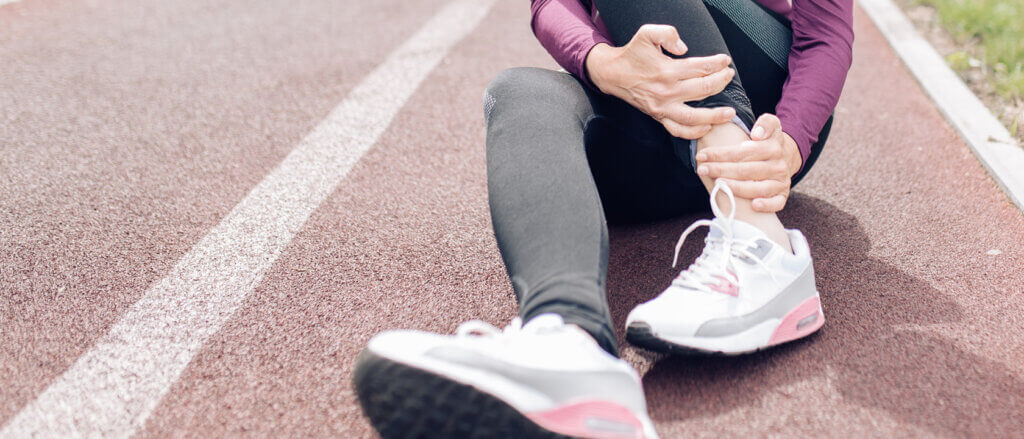
The discomfort can make everyday activities like climbing stairs, squatting or sitting for long periods difficult.
Schedule Now with a Knee Specialist
What Causes PFPS?
Repetitive activities like running, squatting, jumping or climbing stairs (this is where it gets the nickname runner’s knee or jumper’s knee) are some of the key culprits of PFPS. Overuse can be a large contributor, including sudden increases in activity frequency, intensity or duration.
PFPS can also be caused by patellar malalignment — if the kneecap shifts too far to the inside or outside, rides too high or can’t be stabilized due to weak quadriceps or hip muscles.
Other Contributing Factors
- Improper sports technique or equipment
- Changes in footwear or playing surface
- Muscle tightness or flexibility issues
What are Signs and Symptoms of PFPS
Symptoms vary from barely noticeable to significantly disruptive. You may experience:
- Dull, aching pain in the front of the knee
- Pain during activities that bend the knee (running, jumping, squatting, stairs)
- Pain after prolonged sitting
- Popping or crackling sounds when moving the knee
- Pain related to changes in activity, surface or equipment
How Can Runner’s Knee be Prevented?
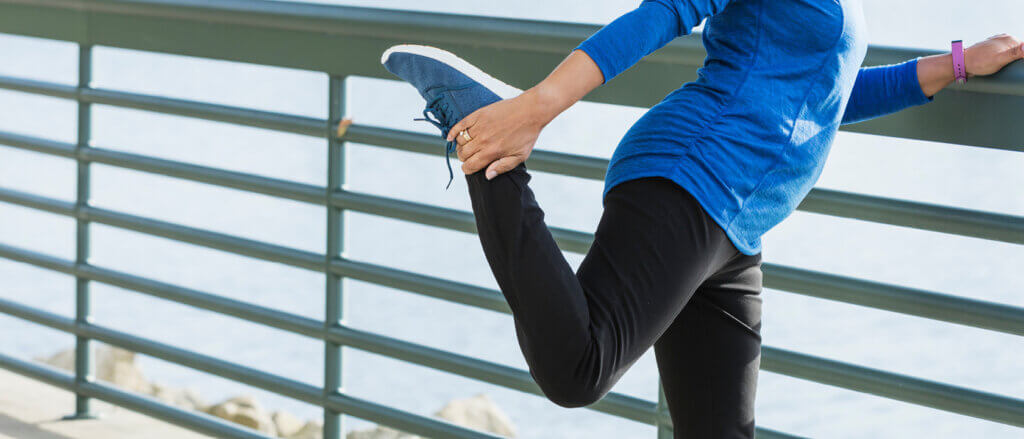
Avoiding PFPS requires you to know your limits and respect them. Maintain strength and flexibility in quadriceps, hips and core and gradually increase training intensity. Wear activity-appropriate shoes, warm up before exercising and stretch afterward, maintain a healthy body weight and adjust any activities that previously caused knee pain
PFPS Treatment
Surgery is rarely needed for runner’s knee. Focus on strengthening your muscles, wear orthotic inserts if necessary and use the RICE protocol (rest, ice, compression, elevation) until you’re healed. Home exercises or physical therapy are also often used for conservative treatment to delay or avoid surgery.
Surgery for Runner’s Knee
For severe cases that don’t respond to conservative care, your surgeon may recommend a knee scope, lateral release or tibial tubercle transfer.
Runner’s knee is typically manageable with proper care, strengthening and activity modification. Most people experience relief without surgery, returning to their regular activities and sports relatively quickly.
Treat Runner’s Knee at OrthoNebraska
Need relief from jumper’s knee in the Omaha area? At OrthoNebraska, we want to make sure that our patients feel understood, safe and confident to take on an appropriate treatment plan. With proper management, we can help you reduce pain levels and improve quality of life.
Patellofemoral Pain Syndrome (Runner’s Knee) Specialists
-
 Ryan M. Arnold, MDKnee, Sports Medicine
 -
 Mark E. Goebel, MDHip, Joint Replacement, Knee, Shoulder, Sports Medicine
 -
 Steven X. Goebel, MDJoint Replacement, Knee, Shoulder, Sports Medicine
 -
 Jace J. Heiden, MDSports Medicine, Knee, Shoulder, Hip Arthroscopy
 -
 Eric M. Samuelson, MDKnee, Shoulder, Sports Medicine
 -
 Michael A. Stojanovic, MDHip, Joint Replacement, Knee
 -
 Matthew K. Tingle, MDSports Medicine, Shoulder, Knee, Elbow
 -
 Joshua A. Urban, MDHip, Joint Replacement, Knee
 -
 Paul A. Watson, MDHip Arthroscopy, Sports Medicine, Joint Replacement