
ACL Injuries

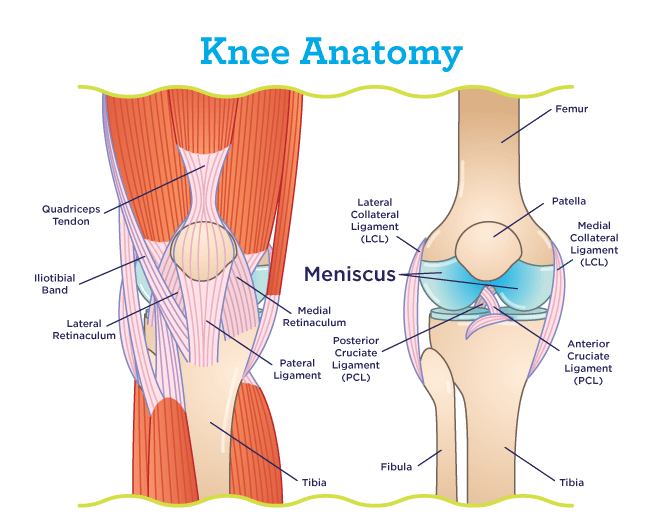
The anterior cruciate ligament (ACL) is one of the key ligaments that stabilizes the knee joint. ACL injuries are common among athletes who participate in sports requiring sudden stops, rapid changes in direction, pivoting, jumping or direct contact.
ACL injuries can range from mild sprains to complete tears, with full tears often requiring surgical reconstruction to restore knee stability and function.
Schedule Now with a Knee Specialist
What is an ACL?
The knee is a complex joint, made from the femur, tibia and patella bones. It’s maintained by four main ligaments. The anterior cruciate ligament — the ACL — prevents the tibia from sliding forward and provides rotational stability.
What Types of ACL Injuries Are There?
Most ACL injuries are complete or near-complete tears and are often accompanied by damage to the meniscus, cartilage or other ligaments.
- Low-grade sprains or partial-thickness tears may be relatively stable and a course of conservative treatment might be recommended
- High-grade partial or full-thickness tears typically result in an unstable knee that requires operative intervention
What Causes an ACL Tear?
ACL injuries commonly occur due to rapid changes in direction, sudden stops, landing incorrectly after a jump, and a direct impact or collision.
Female athletes may have a higher risk due to differences in conditioning, muscle strength and ligament flexibility.
What are Torn ACL Symptoms?
Common signs of a torn ACL include:
- A “popping” sound at the time of injury
- Pain and swelling within 24 hours
- Loss of full range of motion
- Knee tenderness along the joint line
- Instability or “giving way” while walking or during activity
How are ACL Injuries Treated?
Treatment depends on the patient’s activity level, age and severity of the injury.
Nonsurgical Treatment for ACL Injuries
May be appropriate for:
- Partial ACL tears
- Complete tears in less active individuals
- Those willing to avoid pivoting sports
This approach may include physical therapy, bracing and activity modification.
ACL Surgery
Surgery is generally recommended for:
- Active athletes in pivoting or high-demand sports
- Patients with significant knee instability
- Combined injuries (e.g., ACL + meniscus or collateral ligament damage)
ACL reconstruction replaces the torn ligament with one of four types of grafts — your surgeon will discuss the recommended option with you.
ACL Surgery Recovery Time
People typically return to school or sedentary jobs in one week after surgery. Heavy labor jobs may take anywhere from two to four months, depending on the exact nature of the work. And for competitive athletes, recovery from an ACL reconstruction surgery typically is between nine to twelve months, including therapy and training.
Treat ACL Injuries at OrthoNebraska
Need relief from a torn ACL in the Omaha area? At OrthoNebraska, we want to make sure that our patients feel understood, safe and confident to take on an appropriate treatment plan. With proper management, we can help you reduce pain levels and improve quality of life.
ACL Injury Specialists
-
 Ryan M. Arnold, MDKnee, Sports Medicine
 -
 Steven X. Goebel, MDJoint Replacement, Knee, Shoulder, Sports Medicine
 -
 Jace J. Heiden, MDSports Medicine, Knee, Shoulder, Hip Arthroscopy
 -
 Scott B. Reynolds, MDSports Medicine, Knee, Shoulder, Elbow
 -
 Eric M. Samuelson, MDKnee, Shoulder, Sports Medicine
 -
 Matthew K. Tingle, MDSports Medicine, Shoulder, Knee, Elbow
 -
 Paul A. Watson, MDHip Arthroscopy, Sports Medicine, Joint Replacement