
Complex Regional Pain Syndrome
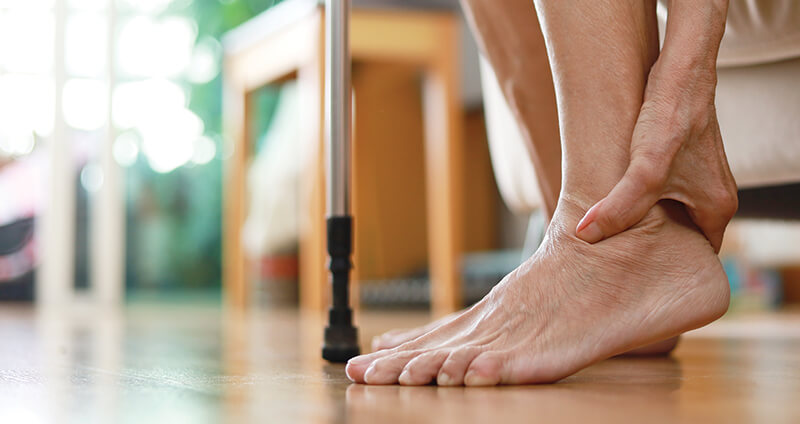
Complex regional pain syndrome is a chronic pain condition that usually develops after an injury, surgery, stroke or heart attack, even when the original injury has healed.
What is Complex Regional Pain Syndrome (CRPS)?
Complex Regional Pain Syndrome (CRPS) is a chronic pain condition that typically affects the hands, feet, arms or legs. It is marked by intense burning pain, swelling, stiffness and changes in skin appearance or temperature.
Complex Regional Pain Syndrome was previously known as Reflex Sympathetic Dystrophy (RSD), Sudeck’s atrophy, shoulder-hand syndrome and causalgia.
CRPS is divided into two types:
- Type 1 CRPS, which does not involve a direct nerve injury and often develops after illness or trauma.
- Type 2 CRPS, which follows a confirmed nerve injury.
Both types share the same symptoms and progression through three stages.
What are the Symptoms of Complex Regional Pain Syndrome (CRPS)?
Symptoms can vary in severity and may last for months or years if untreated. Common symptoms include:
- Intense burning pain (worse than expected for the injury)
- Sensitivity to touch or cold temperatures
- Abnormal sweating patterns
- Muscle and joint stiffness
- Weakness in the affected limb
- Swelling and inflammation
- Skin changes (redness, discoloration, shiny or tight appearance)
Patients often protect the affected limb, and even a light touch can cause severe pain.
What are the Stages of Complex Regional Pain Syndrome (CRPS)?
CRPS often progresses in three stages if untreated:
Stage I (Acute) CRPS:
- Lasts up to 3 months
- Early symptoms are commonly an intense burning pain and hypersensitivity to touch
- Swelling, warmth, joint stiffness and redness in the limb
- Increased sweating, rapid nail and hair growth
Stage II (Dystrophic) CRPS:
- Lasts 3 to 12 months
- Persistent swelling, stiffness, cooler skin
- Loss of skin wrinkles
- Brittle fingernails, spreading pain
- Even more intense hypersensitivity to touch
Stage III (Atrophic) CRPS:
- Occurs after 1 year
- Skin becomes pale, shiny, dry and tight
- Joint stiffness and loss of motion
- Pain may decrease
- CRPS may spread to other areas
What Causes Complex Regional Pain Syndrome (CRPS)?
The exact cause of complex regional pain syndrome is unknown, but some theories suggest it involves a malfunction in the sympathetic nervous system, affecting blood flow, nerves and sweat glands wherever it occurs.
CRPS can develop after:
- Surgery
- Injury or trauma
- Nerve compression
- Infection or cancer
- Neck or spinal problems
- Stroke or heart attack
How is Complex Regional Pain Syndrome (CRPS) Diagnosed?
There is no single test to diagnose CRPS. Diagnosis typically involves a review of medical history and symptoms, then a physical examination of the affected body part.
Doctors look for pain out of proportion to the injury, skin changes and protective behaviors — people with CRPS experience severe pain even with a slight brush, so they often guard the area carefully.
What are the treatment options for CRPS?
Early treatment is critical for preventing progression and long-term disability. Treatment focuses on pain relief and restoring function.
Nonsurgical CRPS Treatments
- Medications: Doctors may prescribe NSAIDs, corticosteroids, antidepressants, anticonvulsants or blood pressure medication.
- Injection therapy: Sometimes the pain can be blocked with anesthetic injected near the sympathetic nerve.
- Physical and occupational therapy: PTs and OTs may suggest exercise to restore range of motion and strength.
If nonsurgical intervention doesn’t relieve the pain, surgery may be recommended.
Surgical Treatments for Severe CRPS
- Spinal cord stimulation: Electrodes are placed along the spine and send mild electrical impulses to reduce pain.
What is the Outlook for CRPS Patients?
Recovery from CRPS varies widely. Some patients regain near-normal function, while others may develop long-term disability. Early diagnosis and treatment significantly improve outcomes.
It’s important to note that CRPS is a physiological condition and not “just in the mind,” although it’s difficult to pinpoint the exact pain. Patients need to receive supportive care and not feel dismissed. Psychological support and counseling may also help patients cope with the emotional challenges of chronic pain.
Treat Complex Regional Pain Syndrome at OrthoNebraska
Are you looking for CRPS treatment in the Omaha area? At OrthoNebraska, we want to make sure that our patients feel understood, safe and confident to take on an appropriate treatment plan. With proper management, we can help you reduce pain levels and improve quality of life.
Complex Regional Pain Syndrome Specialists
-
 Katie C. Berky, MDBack, Neck, Headache
 -
 Andrew E. Huff, MDBack, Neck