Sever’s Disease
Also called Calcaneal Apophysitis
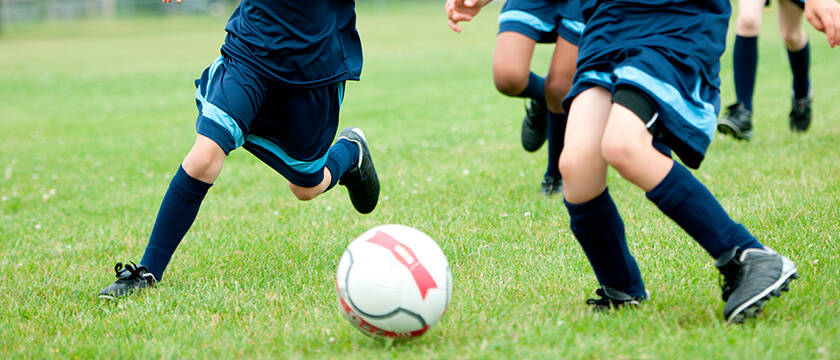
Sever’s disease, a temporary condition brought about by growth plate activity, is one of the most common causes of heel pain in growing children.
When an active child starts complaining of heel pain, especially during sports season, it can be frustrating and concerning for both the athlete and their parents. Heel discomfort that worsens with running or jumping is often linked to Sever’s disease. While the name sounds serious, Sever’s disease is a temporary growth-related condition that improves with time and proper care.
What is Sever’s Disease?
Sever’s disease, also known as calcaneal apophysitis, is irritation and inflammation of the growth plate in the heel bone (calcaneus). Growth plates are areas of developing cartilage near the ends of bones. Because they are softer than mature bones, they are more vulnerable to stress and injury.
In the heel, the growth plate is the attachment point for the Achilles tendon. During periods of rapid growth, the bones, muscles and tendons grow at different speeds. Tight calf muscles and repetitive pulling from the Achilles tendon can put added stress on the heel growth plate, leading to pain and inflammation.
Sever’s disease only happens in children and adolescents who are still growing. Once the growth plate closes and becomes solid bone, the condition does not return.
What Causes Sever’s Disease?
Sever’s disease develops from repetitive stress on the heel during growth spurts. Common contributing factors include:
- Running and jumping sports
- Rapid growth during puberty
- Tight calf muscles
- High-impact activities on hard surfaces
- Wearing very flat or poorly cushioned shoes
- Standing for long periods
Sports such as basketball, soccer, gymnastics and track frequently involve repetitive impact, which increases strain on the heel.
Who Is Most at Risk?
Sever’s disease most often affects children between the ages of 9 and 14 who are in the middle of a growth spurt. It is more common in physically active children, particularly those involved in organized sports.
However, less active children may also develop heel pain if they have tight muscles, rapid growth changes or footwear that lacks proper support.
What Are the Symptoms of Sever’s Disease?
Symptoms typically worsen during or after activity and improve with rest. Common signs include:
- Pain in one or both heels
- Tenderness at the back or bottom of the heel
- Mild swelling around the heel
- Limping or walking on tiptoes
- Stiffness in the feet upon waking
Squeezing the sides of the heel may reproduce pain, which helps guide diagnosis. X-rays are not required to confirm Sever’s disease but may be ordered to rule out other causes of heel pain, such as fractures.
How is Sever’s Disease Treated?
Since this condition doesn’t cause permanent damage and resolves once the heel growth plate matures, treatment focuses on relieving painful symptoms. Most children improve with simple, conservative measures to treat Sever’s disease, including:
- Temporary reduction or modification of activity
- Rest from high-impact sports
- Ice after activity
- Over-the-counter anti-inflammatory medications
- Heel cushions or gel inserts
- Supportive athletic shoes with slight heel elevation
- Calf stretching exercises
- Physical therapy for strengthening and flexibility
If pain significantly interferes with walking, a walking boot may be recommended temporarily to allow the heel to rest and heal.
Children may return to regular sports once activities can be performed without pain during or after participation.
How Long Does Sever’s Disease Last?
Sever’s disease symptoms may last from a few weeks to several months, depending on activity level and adherence to treatment.
Heel pain could return if sports intensity increases too quickly. Supportive footwear and regular stretching can help reduce recurrence.
Once growth is complete and the growth plate closes, Sever’s disease won’t happen again.
When Should You See a Foot and Ankle Specialist?
Consider scheduling an evaluation if:
- Your child develops persistent heel pain
- Walking or sports participation becomes limited
- Pain does not improve with rest and basic home care
- You notice limping or difficulty bearing weight
Early assessment can help your child return safely to activity and prevent prolonged discomfort.
Treat Sever’s Disease at OrthoNebraska
Does your child need relief from Sever’s disease in the Omaha area? We’re here to help. The experts at OrthoNebraska want to make sure you feel understood, safe and confident to take on the treatment plan that’s right for you.
Sever’s Disease Specialists
-
 Jeffrey P. Kiley, DPMFoot & Ankle
 -
 Andrew C. Stanislav, DPMFoot & Ankle
 -
 Brett P. Vessell, DPM, FACFASFoot & Ankle