
Spine Tumors

Spinal tumors are rare, but when they occur, they can cause serious symptoms that require expert evaluation.
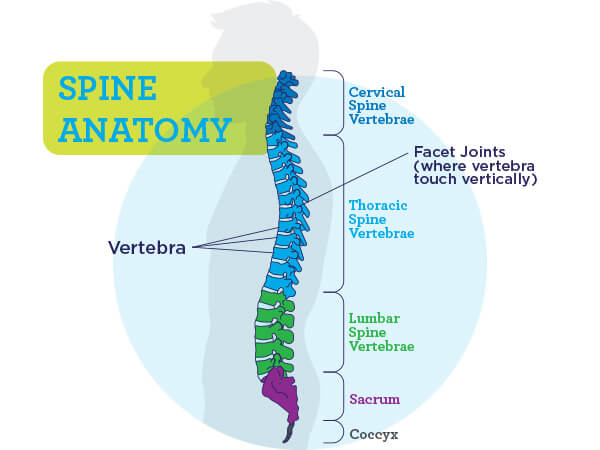
What are Spine Tumors?
A spinal tumor is an abnormal mass of cells that develops in or around the spinal cord and spinal column. They can be benign, which are usually not life-threatening, or malignant, which is cancerous and can invade nearby tissue.
Although benign tumors are sometimes thought of as harmless, they can be painful, unsightly, and cause issues when they press on nearby tissues and organs.
Some tumors begin in the spine itself (primary spinal tumors), while others spread from another part of the body (metastatic or secondary tumors). Metastatic spinal tumors are far more common — 97% of all tumors of the spine are metastatic.
What are the Symptoms of Spinal Tumors?
Spinal tumor symptoms vary depending on the tumor’s size, location, and type. Common signs include:
- Persistent back pain, often worse at night or unrelated to activity
- Pain that radiates to the hips, legs, feet, or arms
- Numbness, tingling, or loss of sensation in the limbs
- Muscle weakness, spasms, or stiffness
- Loss of bowel or bladder control
- Difficulty walking or frequent falls
- In severe cases, paralysis, or spinal deformity
Because these symptoms overlap with other spine conditions, medical imaging like MRI is usually needed for a diagnosis.
What Causes Spinal Tumors?
The cause depends on whether the tumor is primary or secondary.
- Primary spinal tumors often have no known cause but may be linked to genetic conditions like Neurofibromatosis Type 2 or Von Hippel-Lindau disease.
- Secondary spinal tumors are caused by cancer cells spreading from another part of the body to the spine through the bloodstream or lymphatic system.
What Types of Spinal Tumors are There?
Spinal tumors are classified by their location and whether they are primary or secondary. Common types include:
- Benign tumors: Osteoblastomas, meningiomas, hemangiomas and schwannomas.
- Malignant tumors: Chordomas, glioblastomas, astrocytomas, osteosarcomas and metastatic tumors from cancers like lung, breast or prostate.
The thoracic and lumbar regions of the spine are the most common sites for these tumors.
How are Spinal Tumors Treated?
Treatment depends on whether the tumor is primary or secondary, benign or malignant, and the patient’s overall health. Options may include:
- Surgery: Often the recommendation for both benign and malignant tumors, especially if symptoms are severe or the tumor is pressing on nerves.
- Radiation therapy: High-energy X-rays to shrink or destroy tumors.
- Chemotherapy: Medications to kill cancer cells, typically for malignant or metastatic tumors.
- Stereotactic radiosurgery: A precise, noninvasive radiation treatment.
- Minimally invasive procedures: Such as vertebroplasty or kyphoplasty, which stabilize the spine after tumor removal.
- Monitoring: For small, benign tumors with no symptoms, regular imaging may be the safest approach.
What is the Outlook for People with Spinal Tumors?
Prognosis depends on the tumor type, size, and whether it is primary or secondary. Benign tumors may be cured with surgery, while malignant tumors often require ongoing treatment. Early diagnosis and comprehensive care lead to the best outcomes.
How Can I Prevent Spinal Tumors?
Unfortunately, most spinal tumors cannot be prevented. While genetic screening may identify risk for primary tumors, secondary tumors are most often related to existing cancers. Following your cancer treatment plan and maintaining regular checkups can help detect spinal metastases early.
What Should I Do if I Think I Have a Spinal Tumor?
If you’re experiencing persistent back pain — especially if it’s worse at night — or neurological symptoms like weakness or numbness, it’s important to see a spine specialist. Early diagnosis gives you the best chance for effective treatment and improved quality of life.
Treat Spine Tumors at OrthoNebraska
Every patient’s experience with a spinal tumor is different. If you’re looking for relief in the Omaha area, you can work closely with your care team at OrthoNebraska to create a treatment plan tailored to your unique needs and goals, ensuring you receive the highest level of care at every step.
Spine Tumor Specialists
-
 Matthew L. Miller, MDBack, Neck
 -
 Noah E. Porter, MDBack, Neck