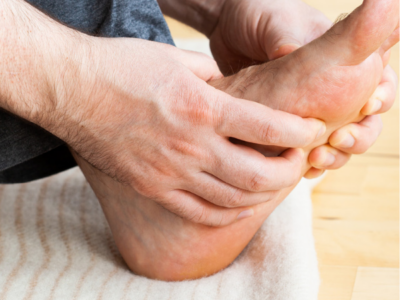
Gout

Gout can cause pain so intense that even the lightest touch is unbearable — but with treatment, you can get relief.
What Is Gout?
Gout is a form of autoimmune arthritis that causes sudden, severe attacks of pain, swelling and redness in your joints — often starting in the big toe. It happens when high levels of uric acid in your blood form sharp crystals inside your joints, triggering an inflammatory reaction that often feels like a painful, hot, swollen, and red joint. The big toe joint is most often the place for gout symptoms to show for the first time.
Without treatment, gout can progress quickly, affecting multiple joints and leading to lasting damage.
What Causes Gout?
Gout develops when your body produces too much uric acid or can’t eliminate it effectively. Uric acid forms naturally as your body breaks down substances called purines, found in foods like red meat, shellfish and alcohol. When uric acid builds up, it forms crystals that collect in joints and soft tissues — usually in the big toe, but also in the ankles, knees, wrists and fingers.
People with diabetes, high blood pressure or kidney disease are at higher risk, as are those who are overweight or take certain medications like diuretics.
What Are the Symptoms of Gout?
A gout flare usually comes on suddenly, often at night. You may notice:
- Intense joint pain that peaks within hours
- Swelling, redness and warmth around the joint
- Extreme tenderness, even from the lightest of touches like a bedsheet
- Limited range of motion as inflammation increases
While early attacks often affect one joint, untreated gout can spread and cause chronic pain or joint deformity.
How Is Gout Treated?
At OrthoNebraska, your provider will review your symptoms and medical history before performing an exam. Diagnostic testing could include blood tests, joint fluid analysis or imaging to evaluate joint damage and find crystal buildup. Because gout can resemble infection or other forms of arthritis, an accurate diagnosis is key to proper treatment.
Most gout cases are treated nonsurgically, focusing on reducing pain, preventing flare-ups and lowering uric acid levels. Non-surgical treatments may include:
- Medications to reduce inflammation, lessen the severity of attacks or lower uric acid levels
- Corticosteroid injections, which may help reduce inflammation during an acute flare
- Lifestyle changes like maintaining a healthy weight, limiting alcohol and red meat, staying hydrated and managing chronic conditions like diabetes or hypertension
With the right care plan, most people can prevent future gout attacks and protect their joints from long-term damage. Surgical options are rarely necessary except in severe cases.
Recovering from Gout
Most people with gout respond well to medication and lifestyle changes. Flares typically improve within days of starting treatment, and ongoing care can prevent future attacks.
Gout Treatment at OrthoNebraska
Need relief from gout in the Omaha area? At OrthoNebraska, we want to make sure that our patients feel understood, safe and confident to take on an appropriate treatment plan. With proper management, we can help you reduce pain levels and improve quality of life.
Specialists in Treating Gout
-
 Jeffrey P. Kiley, DPMFoot & Ankle
 -
 Andrew C. Stanislav, DPMFoot & Ankle
 -
 Brett P. Vessell, DPM, FACFASFoot & Ankle