
Neck Arthritis

Arthritis occurs when joints become inflamed or begin to wear down, leading to pain and stiffness that can interfere with daily movement. This condition is especially common as people age but can also be influenced by other risk factors.
If you’ve noticed your neck feeling stiff, sore or “crunchy” when you move, you might be experiencing early signs of neck arthritis. This common, age-related condition develops gradually, often leading to discomfort, reduced range of motion, or even nerve-related symptoms like tingling or weakness.
What is Neck Arthritis?
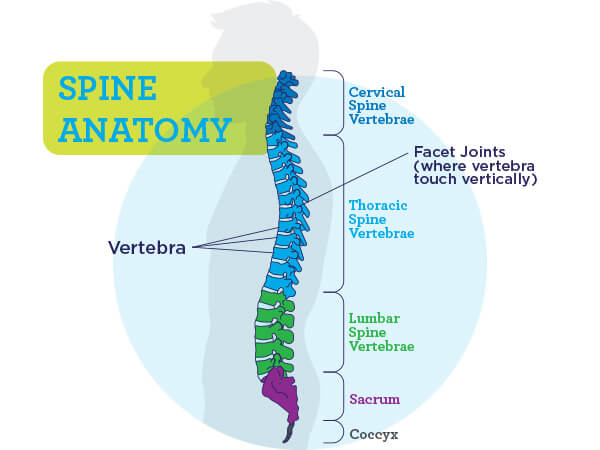
Neck arthritis, also known as cervical spondylosis or degenerative joint disease of the neck, happens when the cartilage and joints in your cervical spine begin to break down. As this occurs, bones can rub against each other, and bone spurs may form, leading to inflammation, pain, and stiffness.
This is a common part of aging — more than 85% of people over 60 experience some degree of neck arthritis — but it can cause frustrating symptoms that affect daily life.
What Causes Neck Arthritis?
Over time, the joints in the neck lose flexibility, making them more prone to wear and tear. Common causes and factors include:
- Natural aging and degeneration of joints
- Repetitive neck movements or prolonged postures (such as desk work)
- Previous neck injuries or trauma
- Genetic predisposition to spine conditions
- Smoking
What are Neck Arthritis Risk Factors?
You’re more likely to develop neck arthritis if you:
- Are over age 50
- Have a family history of spinal conditions
- Work in a job that requires frequent neck movement or overhead lifting
- Smoke or have smoked in the past
- Have had prior injury or trauma to the neck
What are Symptoms of Neck Arthritis?
Symptoms of cervical spondylosis vary but may include:
- Persistent neck pain or stiffness
- Loss of range of motion
- Grinding, “grating” or “locking” sensations when moving the neck
- Muscle spasms or tightness in the shoulders and upper back
- Headaches, particularly at the base of the skull
Symptoms may worsen with activities like reading, driving, or looking down for extended periods, and often improve with rest.
How Is Neck Arthritis Treated?
Diagnosis starts with a thorough physical exam and review of your symptoms. Your provider may test your strength, flexibility, and range of motion.
Most people improve with nonsurgical treatment, focusing on reducing pain, improving flexibility and strengthening supporting muscles with physical therapy, OTC medication, lifestyle changes, or heat/ice/massage therapy.
For persistent pain not relieved by medication or therapy, physicians may recommend interventional procedures such as a radiofrequency ablation or steroid injections.
Surgery will be considered only in serious cases where daily life is impacted and conservative treatments are failing to provide relief.
How Can I Prevent or Manage Neck Arthritis?
While you can’t prevent natural aging, you can slow its effects by:
- Maintaining good posture and spinal alignment
- Strengthening neck, back, and core muscles
- Avoiding smoking
- Taking breaks from long periods of sitting or screen time
- Using proper ergonomics at work and during daily activities
Treat Neck Arthritis at OrthoNebraska
At OrthoNebraska, we want to make sure that our patients feel understood, safe and confident to take on an appropriate treatment plan. With proper management, we can help you reduce pain levels and improve quality of life.
Neck Arthritis Specialists
-
 Matthew G. Hahn, MDBack, Neck, Physiatry
 -
 Andrew E. Huff, MDBack, Neck
 -
 Matthew L. Miller, MDBack, Neck
 -
 Noah E. Porter, MDBack, Neck
 -
 Apollo A. Stack, MDBack, Neck, Headache