
Spinal Cord Compression

Because the spinal cord carries signals between your brain and body, compression can cause a wide range of symptoms — from tingling and weakness to problems with balance, coordination, or even fine motor skills.
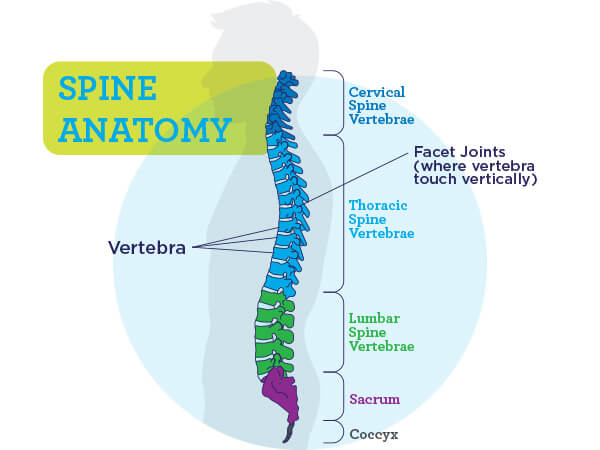
What is Spinal Cord Compression?
Spinal cord compression happens when the spinal cord is squeezed or narrowed, often due to age-related changes in the spine. Also known as cervical spondylotic myelopathy, it can also result from trauma, arthritis, or other conditions.
What Causes Spinal Cord Compression?
The most common cause is natural wear and tear in the spine, such as arthritis or disc degeneration. As discs collapse, bone spurs can form, narrowing the spinal canal. Other causes include:
- Herniated discs that bulge into the spinal canal
- Rheumatoid arthritis, which damages facet joints and reduces spinal space
- Traumatic injuries, such as car accidents, falls, or sports-related impacts
What are the Symptoms of Spinal Cord Compression?
Symptoms often develop slowly and worsen over time, though sometimes they can progress more quickly. Patients may experience:
- Tingling or numbness in the hands, arms, or fingers
- Weakness or reduced grip strength
- Problems with balance and coordination
- Difficulty with fine motor skills like buttoning clothes or handwriting
- Neck pain or stiffness
In severe cases, bladder or bowel function may also be affected.
How is a Spinal Cord Compression Diagnosed?
Diagnosis begins with a physical exam to assess reflexes, strength, balance, and sensation. Imaging tests may include:
- X-rays, to check vertebrae alignment
- MRI scans, to show spinal cord compression and soft tissue detail
- CT scans, to evaluate bone spurs or narrowing
- Myelogram, which uses contrast dye to highlight the spinal cord and nerves
How is Spinal Cord Compression Treated?
Treatment depends on the severity of symptoms and the underlying cause.
Nonsurgical options may include:
- Physical therapy to improve flexibility, strength, and function
- Bracing or a soft cervical collar to limit neck motion
- Medications such as NSAIDs or corticosteroids
- Injections in some cases to reduce inflammation
Surgery may be recommended if symptoms are severe, progressive, or do not improve with conservative care. Surgical options relieve pressure on the spinal cord by creating more space in the spinal canal.
Can Spinal Cord Compression be Prevented?
While age-related changes cannot be avoided, some steps can reduce risk or slow progression:
- Maintaining strong neck and back muscles through regular exercise
- Practicing safe lifting and movement techniques
- Protecting the neck during sports or high-impact activities
- Managing conditions like arthritis early with medical care
What is the Outlook for Spinal Cord Compression?
Without treatment, symptoms of spinal cord compression usually worsen over time. Many patients benefit from nonsurgical treatments, but surgery often provides the best long-term relief when nerve compression is significant. Recovery and results vary, but the goal is always to preserve function and quality of life.
Treat Spinal Cord Compression at OrthoNebraska
Need relief from spinal cord compression in the Omaha area? Our spinal cord specialists will build a customized treatment plan that works for your needs — make an appointment today to learn about your options.
Spinal Cord Compression Specialists
-
 Katie C. Berky, MDBack, Neck, Headache
 -
 Andrew E. Huff, MDBack, Neck
 -
 Matthew L. Miller, MDBack, Neck
 -
 Noah E. Porter, MDBack, Neck
 -
 Apollo A. Stack, MDBack, Neck, Headache