
Spine Fractures
Also sometimes called a vertebral fracture, broken back or broken neck

A sudden accident can cause a spinal fracture, leaving you with sharp back pain and limited mobility symptoms that disrupt daily life. Not every spinal break requires surgery, and many people find relief with the right care plan.
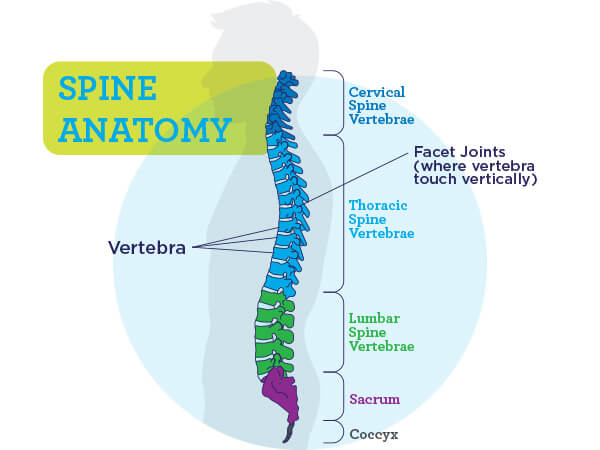
What are Spine Fractures?
A spine fracture is a break in one or more of the bones that make up your spine (vertebrae). These fractures can happen from high-energy trauma like a car accident or sports collision, or from something as simple as a fall in people with weakened bones. Symptoms usually include sudden back pain that worsens with movement.
What Causes Spine Fractures?
Spine fractures can occur after:
- High-energy trauma, such as motorcycle or car accidents, falls from significant heights, or sports injuries
- Low-energy events in people with osteoporosis or weakened bones, where even twisting, reaching, or minor falls can cause a fracture
These injuries are most likely in the mid or lower back areas.
What Types of Spine Fractures are There?
Doctors classify spine fractures into three main groups:
- Flexion fractures: caused by hyperflexion, or excessive bending forward, of the spine or other bones
- Extension fractures: caused by hyperextension, or excessive backward force
- Rotation fractures: characterized by a twisting or helical pattern of the break
Each type differs in severity and stability. Some are stable and can heal with bracing, while others are unstable and may require surgery to prevent spinal cord or nerve injury.
What Symptoms Should I Watch For?
Symptoms vary by fracture type but often include:
- Sudden, sharp back pain that worsens with movement
- Numbness, tingling, or weakness in the arms or legs
- Loss of bladder or bowel control if the spinal cord is affected
- Pain alongside other injuries in the case of high-energy trauma
How are Spine Fractures Diagnosed?
A diagnosis starts with a physical exam and neurological assessment. Doctors may test reflexes, strength, and sensation. Imaging is then used to confirm the injury.
What are the Treatment Options for Spine Fractures?
Treatment depends on the fracture type, stability, and whether nerves are involved.
Nonsurgical Options for Spine Fractures
Stable compression or mild burst fractures can often be treated with bracing, rest, pain control, and gradual rehabilitation. Some compression fractures may require vertebral augmentation.
Spine Fracture Surgery
Surgery may be required if there are multiple bone fragments or bones are bent or angled out of position. Surgical options are also likely the best option if ligaments, nerves, or the spinal cord are damaged.
The surgery usually involves physically stabilizing the spine with screws, rods, or cages and relieving spinal cord pressure through a procedure like a laminectomy.
What is Recovery Like after a Spine Fracture?
Recovery is gradual and may include:
- Bracing for several weeks to months
- Physical therapy to restore mobility, strength, and posture
- Rehabilitation exercises to reduce pain and improve function
Patients with osteoporosis will also need treatment to strengthen bones and lower the risk of future fractures. Even with successful treatment, some people may experience ongoing back pain for months after injury.
Fractured Spine Treatment at OrthoNebraska
Looking for relief from a fractured spine in the Omaha area? At OrthoNebraska, you’ll work closely with your care team to create a treatment plan tailored to your specific fracture and overall health. Together, we’ll focus on stabilizing your spine, relieving pain and restoring your quality of life.
Spine Fracture Specialists
-
 Katie C. Berky, MDBack, Neck, Headache
 -
 Andrew E. Huff, MDBack, Neck
 -
 Matthew L. Miller, MDBack, Neck
 -
 Noah E. Porter, MDBack, Neck
 -
 Apollo A. Stack, MDBack, Neck, Headache