
Spondylolisthesis

If you’re living with nagging low back pain, stiffness, or leg weakness that makes it hard to stay active, spondylolisthesis could be the culprit. While this condition may sound intimidating, many people manage it successfully with the right treatment plan.
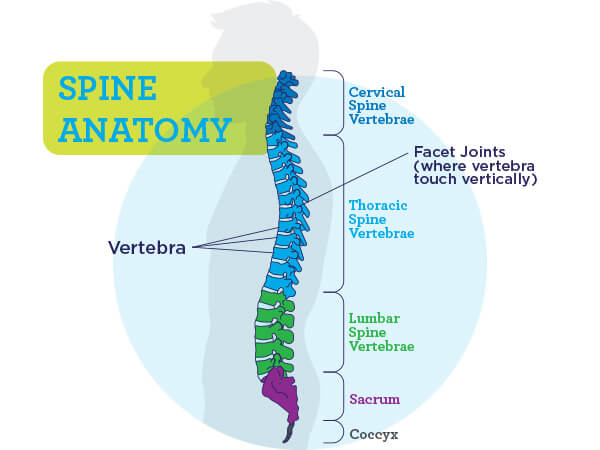
What is Spondylolisthesis?
Spondylolisthesis occurs when one vertebra in your lower back slips out of alignment with the one below it. This misalignment can pinch nerves, causing back or leg pain, numbness, or weakness.
What Causes Spondylolisthesis?
Spondylolisthesis can be caused by a variety of factors:
- Congenital malformations of the spine
- Fractures or stress fractures of vertebrae
- Age-related degeneration of spinal structures
- Trauma or injury
- Other underlying medical conditions
These causes can result in misalignment of the vertebra, nerve compression, and subsequent pain or neurological symptoms.
What are the Risk Factors for Spondylolisthesis?
Certain factors increase the likelihood of developing Spondylolisthesis:
- Age-related degenerative changes (more common in adults over 50)
- Female (more likely to experience degenerative spondylolisthesis)
- Family history of spinal issues
- Participation in high-impact sports like gymnastics or football
- Specific ethnic backgrounds
What are the Symptoms of Spondylolisthesis?
Symptoms vary based on severity and nerve involvement:
- Dull lower back pain, sometimes radiating to the legs
- Numbness, tingling, or weakness in the legs
- Difficulty walking or standing for long periods
- Rare but severe cases can affect bowel, bladder, or sexual function
How is Spondylolisthesis Diagnosed?
Diagnosis typically includes a medical history and physical exam, then imaging tests to check alignment, bone structure, and nerve involvement.
How is Spondylolisthesis Treated?
Treatment depends on your symptoms, severity and response to conservative care.
Nonsurgical treatment options
- Activity modifications to avoid movements that worsen pain
- NSAIDs or acetaminophen to reduce inflammation and discomfort
- Physical therapy focused on spinal stabilization, flexibility, and strengthening of core, hip, back and leg muscles
- Epidural steroid injections for nerve pain
Surgical treatment options
Surgery may be recommended if symptoms persist despite nonsurgical care or if nerve compression is significant. Procedures may include decompression or spinal fusion to stabilize the vertebrae.
Your OrthoNebraska physician will guide you through the decision-making process, weighing risks and benefits to develop a plan that fits your lifestyle and goals.
How Can I Prevent or Manage Spondylolisthesis?
While some causes cannot be prevented, you can reduce strain and protect your spine by working to:
- Maintain proper posture and spinal alignment
- Exercise regularly to strengthen core and back muscles
- Avoid high-impact activities that stress your spine
- Manage weight to reduce pressure on spinal structures
- Follow your physician’s recommendations for bracing, therapy or activity modifications
Spondylolisthesis Treatment at OrthoNebraska
Do you need relief from spondylolisthesis in the Omaha area? If you’re experiencing back pain, numbness or weakness in your legs, schedule an appointment with our spine specialists today. We’ll work with you to identify the cause of your spondylolisthesis and create a plan that works for you.
Meet Your Care Team
-
 Katie C. Berky, MDBack, Neck, Headache
 -
 Matthew G. Hahn, MDBack, Neck, Physiatry
 -
 Andrew E. Huff, MDBack, Neck
 -
 Matthew L. Miller, MDBack, Neck
 -
 Noah E. Porter, MDBack, Neck
 -
 Apollo A. Stack, MDBack, Neck, Headache