
Back Sprains and Strains

You don’t have to injure something permanently for it to hurt. Sprains and strains are common injuries that can be both painful and inconvenient — make sure you’re treating them properly for the best recovery.
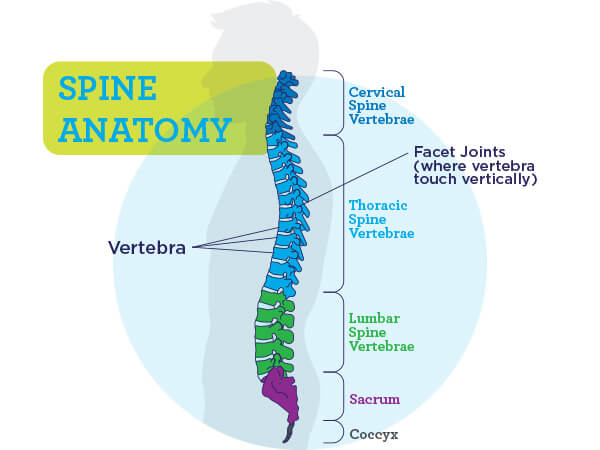
What are Back Sprains and Strains?
Sprains and strains in a general sense are injuries that affect your muscles, tendons, and ligaments. Sprains involve stretched or torn ligaments, while strains affect muscles or tendons. These injuries often occur during sports, daily activities, or improper lifting. Back strains or sprains would concern the muscles, tendons and ligaments of the back.
How do Back Sprains and Strains Happen?
Sprains typically occur when a joint is twisted, forced out of position, or experiences a sudden impact, stretching ligaments beyond their limits.
Strains happen when muscles or tendons are stretched, pulled or torn due to overuse, lifting, or sudden movements. Risk factors include:
- Excessive curvature of the lower back
- Weak back or abdominal muscles
- Tight hamstrings
- Being overweight
- Sports involving pushing, pulling, or twisting motions
What are the Symptoms of a Back Sprain or Strain?
Symptoms vary depending on severity, but common signs include:
- Pain that worsens with movement
- Muscle cramping or spasms
- Decreased range of motion or difficulty walking, bending, or standing
- A popping or tearing sensation at the time of injury
Moderate sprains usually result in a loose joint. While rarely requiring significant treatment, severe sprains are torn ligaments, which typically require medical attention.
How are Sprains and Strains Diagnosed?
Most acute (sudden) injuries of this type can be treated using the RICE method:
- Rest
- Ice the injury site for 20 minutes at a time, several times a day
- Compression bandage
- Elevate the injury site above your heart
More severe injuries may be treated by home exercises or physical therapy. For complete tears, surgery is sometimes recommended.
Most people recover from back strains and sprains within about two weeks, though more severe injuries may require longer treatment.
How Can Sprains and Strains be Prevented?
While not all injuries can be prevented, you can reduce your risk by:
- Maintaining a healthy weight and diet for strong muscles and bones
- Exercising regularly, including stretching for flexibility
- Practicing safe body mechanics when lifting or twisting
- Wearing proper footwear and keeping walking areas clear of hazards
- Avoiding smoking, which reduces blood flow to muscles
When Should I be Seen for a Suspected Back Sprain or Strain?
Call your healthcare provider if:
- Pain is severe or prevents walking
- You experience numbness, tingling, or weakness
- You have repeated back injuries
- There is a lump or unusual shape at the injury site
- Pain interferes with sleep
- You notice weakness in hands or feet after injury
Treat Back Sprains and Strains at OrthoNebraska
Painful sprains and strains don’t have to take you out of the game. If you need relief from sprains and strains in the Omaha area, make an appointment with the team at OrthoNebraska and get back to life, today.
Back Sprain and Strain Specialists
-
 Katie C. Berky, MDBack, Neck, Headache
 -
 Matthew G. Hahn, MDBack, Neck, Physiatry
 -
 Andrew E. Huff, MDBack, Neck
 -
 Matthew L. Miller, MDBack, Neck
 -
 Noah E. Porter, MDBack, Neck
 -
 Apollo A. Stack, MDBack, Neck, Headache