Tennis Elbow
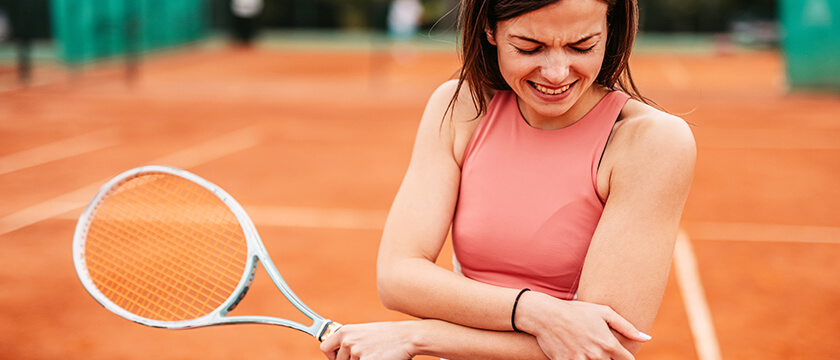
Repetitive motion may seem harmless at first, but over time it can quietly overload the structures around your elbow.
Tennis elbow is one of the most common overuse injuries of the upper extremity, affecting not only athletes, but also people whose work or hobbies require repetitive movement. When left untreated, this condition can interfere with everyday tasks, from turning a doorknob to lifting a coffee cup.
What Is Tennis Elbow?
Tennis elbow, medically known as lateral epicondylitis, is a painful condition involving the tendons that attach the forearm muscles to the outside of the elbow. These tendons help stabilize the wrist and extend the hand. With repeated stress, small tears can develop where the tendon attaches to the bone, leading to pain, weakness and inflammation.
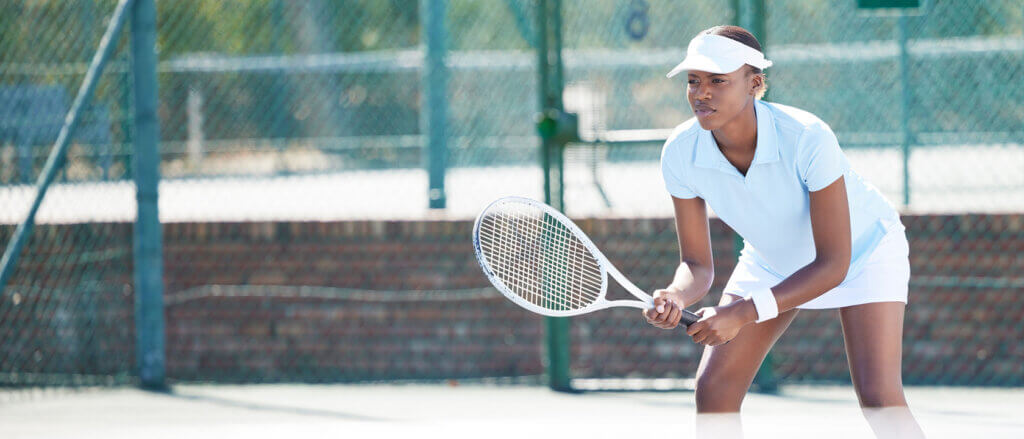
Despite its name, tennis elbow is not limited to tennis players and can occur in anyone who performs repetitive arm motions.
What Are Tennis Elbow Symptoms?
Symptoms may develop gradually or appear suddenly after increased activity. Common signs include:
- Pain or burning on the outside of the elbow
- Tenderness over the bony area of the elbow
- Weak grip strength
- Pain with lifting, gripping or even shaking hands
- Pain that worsens at night or with activity
Pain may start at the elbow and travel down the forearm toward the wrist and hand.
If you’re experiencing pain on the inside of the elbow, it may be golfer’s elbow.
What Causes Tennis Elbow?
Tennis elbow most often develops from overuse rather than a single injury. Activities that involve repeated gripping or wrist extension place stress on the tendons and increase the risk of degeneration.
Tennis elbow most commonly affects adults between the ages of 30 and 50, but it can occur at any age.
Who Is Most at Risk for Tennis Elbow?
People at higher risk include those who participate in or work in roles involving repetitive arm use, such as the eponymous tennis players, painters, plumbers, carpenters, mechanics, chefs and butchers. The condition most often affects the dominant arm, but it can occur in both arms.
How is Tennis Elbow Treated?
Most patients experience improvement with nonsurgical treatment, and surgery is rarely needed.
Treatment focuses on reducing pain, allowing the tendon to heal and preventing recurrence. Options may include:
- Rest and activity modification
- Anti-inflammatory medications
- Physical therapy focused on stretching and strengthening
- A forearm brace to reduce tendon strain
- Injections to reduce inflammation or promote healing
Many patients see significant improvement within several months.
Surgical Treatment
Surgery is considered only when symptoms are severe, limiting daily function and have not improved after 6–12 months of nonsurgical treatment. Tennis elbow surgery typically involves removing damaged tendon tissue and stimulating healing. These procedures are usually performed on an outpatient basis.
How Long Does It Take to Recover from Tennis Elbow?
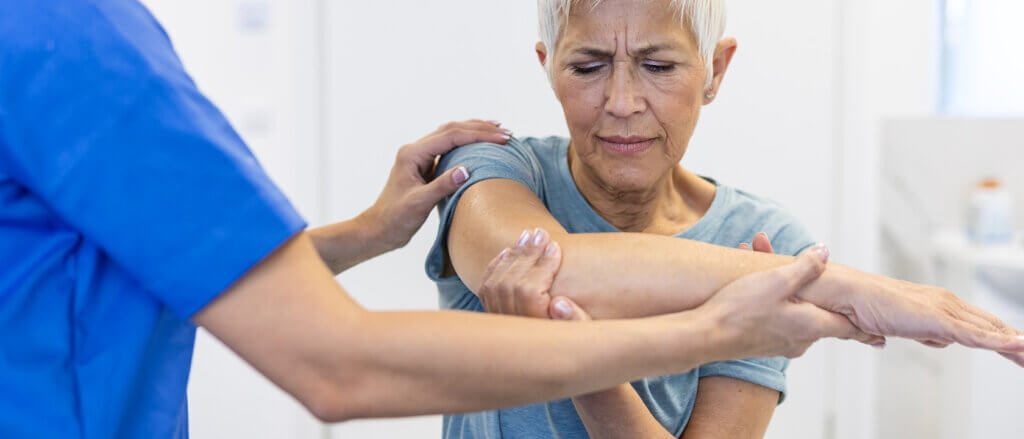
Recovery depends on the severity of symptoms and the treatment approach. With nonsurgical care, gradual improvement is expected as the tendon heals. Physical therapy plays an important role in restoring strength and flexibility.
If surgery is required, recovery includes a period of rehabilitation to regain motion and strength, with most patients returning to activities over several months.
Treat Tennis Elbow at OrthoNebraska
Need relief from tennis elbow in the Omaha area? At OrthoNebraska, we want to make sure that our patients feel understood, safe and confident to take on an appropriate treatment plan. With proper management, we can help you reduce pain levels and improve quality of life.
Tennis Elbow Specialists
-
 Nicholas B. Bruggeman, MDHand & Wrist, Elbow, Sports Medicine
 -
 Michael J. Coffey, MDHand & Wrist, Elbow, Sports Medicine
 -
 Thomas P. Ferlic, MDElbow, Hand & Wrist
 -
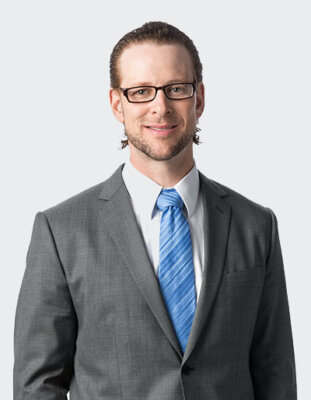 Todd J. Gaddie, MDHand & Wrist, Elbow, Sports Medicine
 -
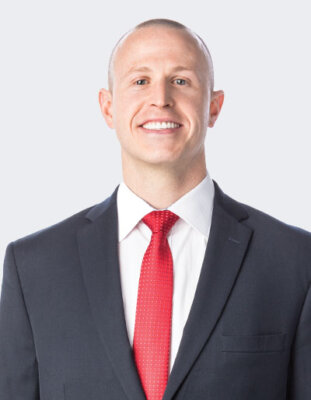 Alex C. Lesiak, MDHand & Wrist, Elbow, Sports Medicine
 -
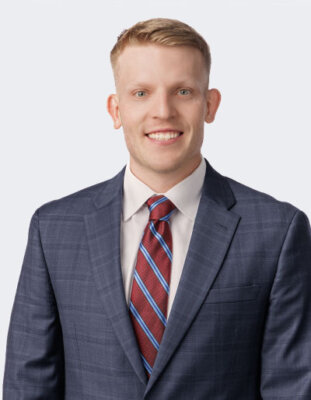 Andrew D. Nahr, MDShoulder, Elbow, Joint Replacement & Sports Medicine
 -
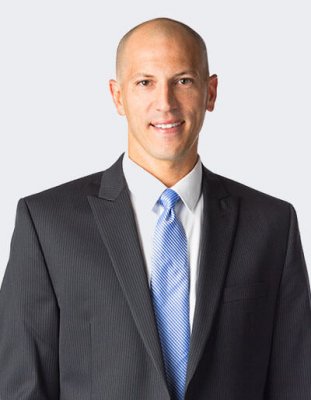 Scott B. Reynolds, MDSports Medicine, Knee, Shoulder, Elbow
 -
 M. Andrew Thompson, MDElbow, Hand & Wrist, Shoulder, Sports Medicine
 -
 Matthew K. Tingle, MDSports Medicine, Shoulder, Knee, Elbow