

01/14/2026
Winter sports season is a highlight for many high school athletes. From the energy of basketball games to the precision of competitive dance, these activities build confidence, teamwork and lifelong healthy habits. But winter sports also come with injury risks, especially when students compete on hard surfaces during the colder months.
Understanding the most common injuries and how to prevent them is one of the best ways to keep student athletes safe and performing at their best. Below, we break down the top winter sports for high school students — and the injuries our orthopedic specialists see most often.
DISCOVER SPORTS MEDICINE AT ORTHONEBRASKA
Basketball
Basketball remains the most popular winter sport in high schools nationwide, for both boys and girls. Its fast direction changes, frequent jumping and player contact make certain injuries especially common.
Most Common Basketball Injuries
- Ankle sprains
- Knee injuries, including ACL and MCL sprains
- Patellar tendinitis (“jumper’s knee”)
- Finger jams and fractures
- Concussions from falls or collisions
Prevention Tips
- Strengthen hips, legs and core to improve stability
- Follow a dynamic warm-up before practice or games
- Practice proper landing mechanics to reduce knee stress
- Wear supportive, well-fitted shoes
Recovery Guidance
Early evaluation is important, especially for ankle and knee injuries. A combination of rest, bracing, physical therapy and gradual return to activity helps prevent re-injury and supports long-term joint health.
Wrestling
Wrestling is physically demanding and highly technical, making it one of the winter sports with the highest injury potential for high school students.
Most Common Wrestling Injuries
- Shoulder sprains and strains
- Knee injuries, including meniscus and MCL issues
- Neck strains
- Concussions during takedowns
- Skin infections
Prevention Tips
- Maintain strong hygiene habits: clean mats, shower immediately and avoid sharing gear
- Strengthen the neck, shoulders and hips
- Prioritize safe takedown and landing techniques
- Avoid extreme weight-cutting practices
Recovery Guidance
Joint and neck injuries should be evaluated promptly. Rehabilitation often includes mobility work, strengthening and a gradual return to full match intensity.
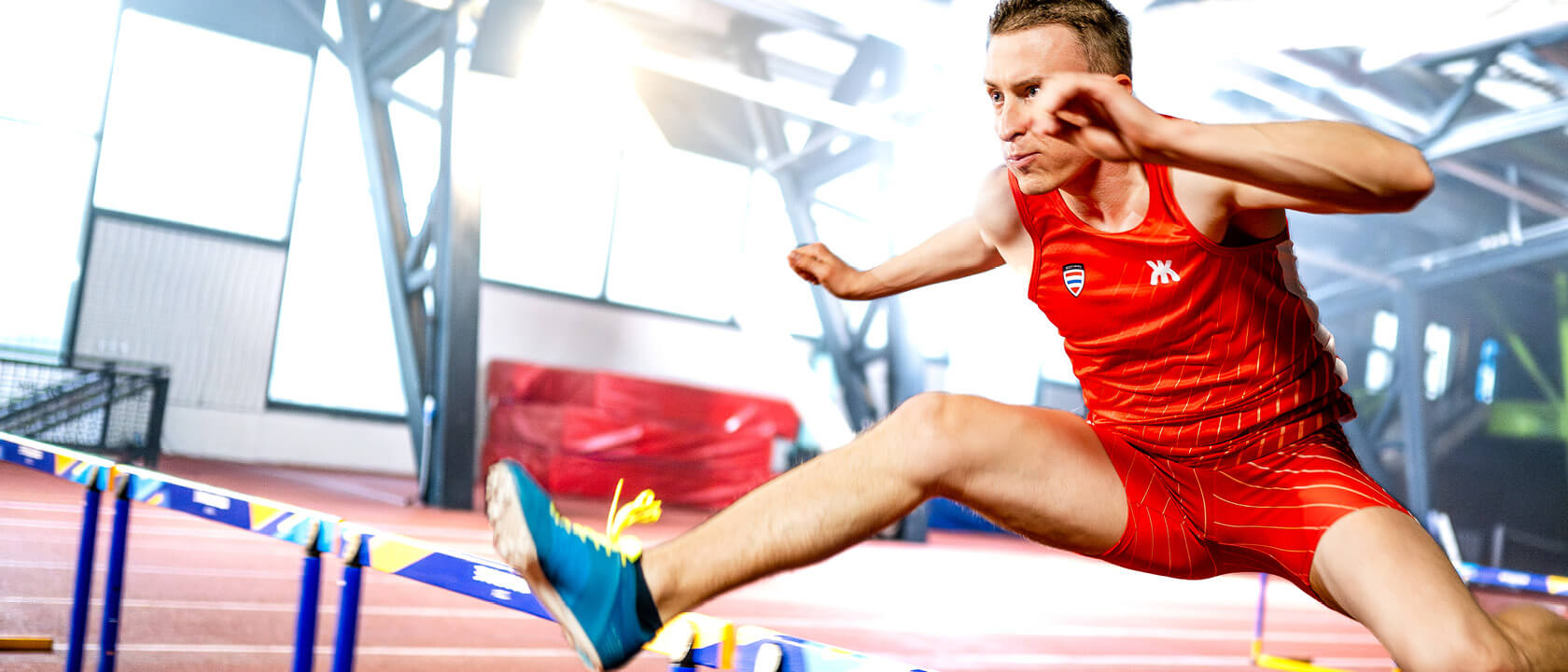
Indoor Track and Field
Indoor track allows athletes to continue training year-round, but repetitive impact — often on hard surfaces — can lead to overuse injuries.
Most Common Track Injuries
- Shin splints
- Stress fractures in the foot or shin
- Hamstring strains
- Achilles tendinitis
- Knee pain
Prevention Tips
- Increase training volume gradually
- Invest in proper footwear for specific activities like long distance or jumping
- Strengthen the hips and glutes to support alignment
- Allow adequate recovery days after intense workouts
Recovery Guidance
Rest is key for overuse injuries. Cross-training, like cycling or swimming, helps maintain cardiovascular fitness while reducing stress on the legs.
Swimming and Diving
While swimming is generally low-impact, repetitive overhead motion can lead to shoulder and back issues. Divers face different risks from impact and position control.
Most Common Swimming Injuries
- Swimmer’s shoulder (rotator cuff irritation)
- Lower back strain
- Knee pain, especially in breaststroke
- Wrist and shoulder strains
- Impact injuries for divers
Prevention Tips
- Strengthen rotator cuff and scapular muscles
- Maintain strong core stability
- Rotate strokes to reduce overuse
- Learn safe and progressive diving techniques
Recovery Guidance
Reducing yardage and modifying stroke technique often help relieve pain while recovering from an injury. Physical therapy supports shoulder stability and flexibility so athletes can return to the pool safely.
Dance and Cheer
Competitive dance and cheer teams train just as intensively as traditional athletics. High repetition, extreme ranges of motion and hard floors can create unique injury risks.
Most Common Cheer and Dance Injuries
- Ankle sprains
- Foot and shin stress fractures
- Hip flexor and hamstring strains
- Knee pain from repeated bending, turning or jumping
- Lower back pain from extensions and arching
Prevention Tips
- Warm up thoroughly with dynamic stretching and mobility drills
- Strengthen core, hips, ankles and glutes for stability
- Progressively train jumps, leaps and turns
- Practice on safe flooring whenever possible
Recovery Guidance
Rest, physical therapy and gradual return-to-dance programs help students safely resume choreography. Cross-training like Pilates or band exercises can maintain strength without overloading injured areas.
Keeping Student Athletes Safe All Season
Injury prevention begins long before a game or performance. Appropriate gear and warm-ups are helpful for all sports. Staying hydrated, using proper equipment, following safe training programs and listening to early signs of pain can dramatically reduce risk.
When injuries do occur, early evaluation by an orthopedic or sports medicine provider at OrthoNebraska ensures proper diagnosis and a safe, personalized recovery plan.
If your student athlete is experiencing pain or has suffered a sports injury, our orthopedic specialists are here to help. Find out how our sports medicine experts can get them back to the activities they love: safely, confidently and stronger than before.
SCHEDULE AN APPOINTMENT AT ORTHONEBRASKa