Back Arthritis

Arthritis occurs when joints become inflamed or begin to wear down, leading to pain and stiffness that can interfere with daily movement. This condition is especially common as people age but can also be influenced by other risk factors.
What is Back Arthritis?
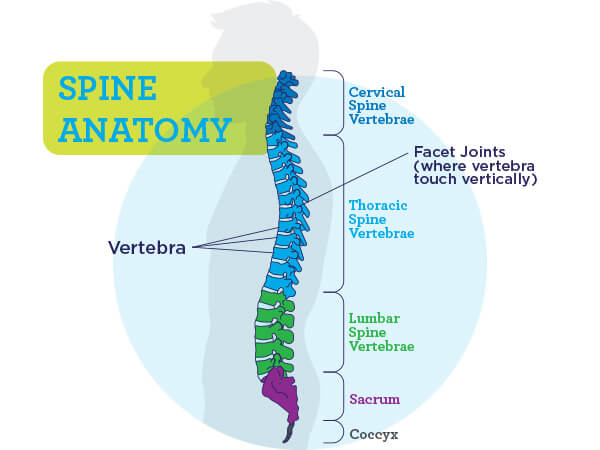
Back arthritis, also called degenerative joint disease or osteoarthritis of the spine, develops over time and leads to pain and inflammation when the spinal joints move. It is one of the most common causes of chronic back pain, especially in older adults.
What are the Symptoms of Back Arthritis?
- Persistent back pain
- Loss of range of motion
- A “grating” or “locking” sensation when moving
- Joint swelling (often worsening over time)
- Stiffness or weakness in the back
As the disease progresses, pain that once improved with rest may become constant, limiting physical activity and reducing quality of life.
What Causes Arthritis in the Back or Spine?
Back arthritis (osteoarthritis) is often caused by chronic, repetitive motion that results in inflammation and structural joint damage. Over time, cartilage that cushions and protects the joints breaks down. Without this protective layer, bones rub together, leading to pain, swelling, and stiffness. Any joint can be affected, but arthritis is especially common in the spine, knees, hips, and hands.
Who is at Risk for Developing Back Arthritis?
More than 50% of adults over the age of 65 are affected by arthritis. Risk factors include:
- Repetitive motion or joint overuse
- Past joint injuries or trauma
- Obesity
- Rheumatoid arthritis or infections
- Muscular dystrophy or osteoporosis
- Hormone disorders
- Bone disorders or sickle cell disease
Arthritis occurs equally in men and women before age 55, but after that, it becomes more common in women.
How is Back Arthritis Diagnosed?
Orthopedic specialists usually diagnose back arthritis using a patient’s medical history, physical exam, imaging, and sometimes other techniques for less typical cases. These can include fluid removal from an affected joint for analysis or arthroscopy, which involves inserting a small scope into the joint to view the damage.
What are the Treatment Options for Back Arthritis?
Arthritis cannot be reversed or entirely cured, but treatment can have a huge impact on quality of life. Treatment depends on the stage and severity of the arthritis. Common conservative options include:
- Weight loss and activity modifications
- Pain relievers such as acetaminophen or NSAIDs (non-steroidal anti-inflammatory drugs)
- Physical therapy to improve strength and flexibility
- Steroid injections to reduce inflammation
- Viscosupplementation injections (a gel-like substance that adds cushioning and lubrication to joints)
If pain persists despite conservative treatments, surgical options — such as spinal surgery or joint replacement — may be considered.
How Can Back Arthritis be Managed Long Term?
Long-term management focuses on maintaining mobility, reducing pain, and improving quality of life. Strategies include:
- Regular low-impact exercise (swimming, walking, cycling)
- Weight management
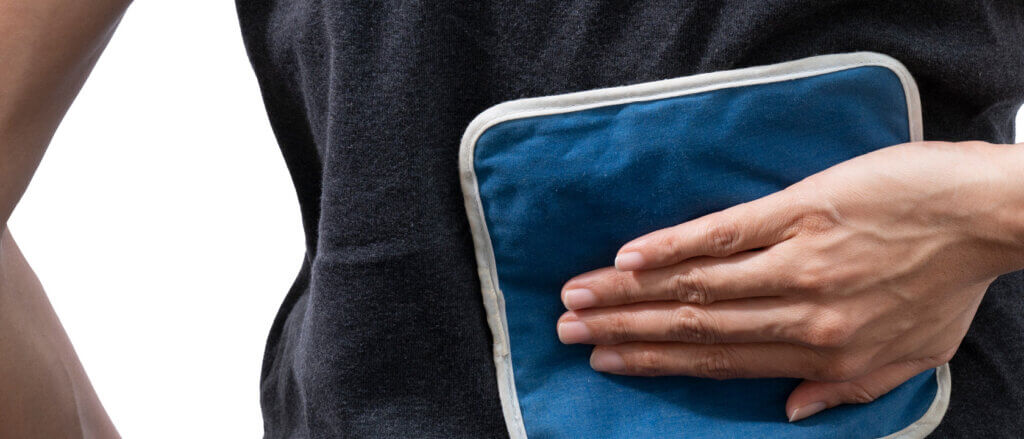
- Heat and cold therapy
- Pain medication as prescribed
Treat Back Arthritis at OrthoNebraska
Are you looking for back arthritis treatment in the Omaha area? At OrthoNebraska, we want to make sure that our patients feel understood, safe, and confident to take on an appropriate treatment plan. With proper management, we can help you reduce pain levels and improve quality of life.
Back Arthritis Specialists
-
 Katie C. Berky, MDBack, Neck, Headache
 -
 Matthew G. Hahn, MDBack, Neck, Physiatry
 -
 Andrew E. Huff, MDBack, Neck
 -
 Matthew L. Miller, MDBack, Neck
 -
 Noah E. Porter, MDBack, Neck
 -
 Apollo A. Stack, MDBack, Neck, Headache