
Herniated Discs
Often also called a ruptured or slipped disc

A lumbar herniated disc occurs when the soft, gel-like center of a spinal disc pushes through its tougher outer layer, often irritating nearby nerves. This condition is one of the most common causes of lower back pain and leg pain (sciatica), and while it can be very uncomfortable, most people improve with non-surgical care.
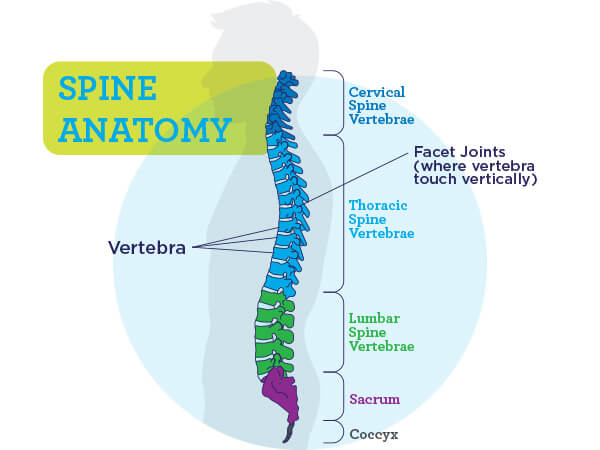
What is a Herniated Disc?
A herniated disc (sometimes called a ruptured or slipped disc) happens when the jelly-like nucleus inside a spinal disc pushes through its outer layer. This often occurs in the lumbar spine — the lower back — where discs act as cushions between the vertebrae. When a disc herniates, it can press on spinal nerves, causing pain, inflammation, or numbness.
What Causes a Herniated Disc?
The most common cause is age-related disc degeneration, where discs naturally lose water content and flexibility over time. This makes them more prone to tears or ruptures. A traumatic event, such as lifting improperly, twisting while moving or a fall, can also trigger disc herniation.
Other risk factors include:
- Being overweight, which adds stress to the spine
- Smoking, which reduces oxygen supply to spinal tissues
- Repetitive motions or heavy physical work
- Prolonged sitting or frequent driving
What are the Symptoms of a Herniated Disc?
Symptoms vary depending on where the disc presses on nerves, but may include:
- Sharp, shooting pain from the buttocks down the leg (sciatica)
- Numbness or tingling in a leg or foot
- Weakness in a leg or foot
- Low back pain that may worsen with sitting, lifting or twisting
- Rarely, loss of bladder or bowel control (this is a medical emergency — call 911 immediately)
How is a Herniated Disc Diagnosed?
Diagnosis begins with a medical history and physical exam. Your provider may test:
- Reflexes at the knee and ankle
- Muscle strength in the legs
- Sensation in the feet and legs
- Range of motion and posture
Imaging tests such as MRI, CT scans or X-rays may be used to confirm the diagnosis and determine which nerves are affected.
What are the Treatment Options for a Herniated Disc?
Most herniated discs improve over time with conservative care. Treatment options include:
- Rest and activity modification (avoiding movements that worsen pain)
- NSAIDs (ibuprofen, naproxen) to reduce inflammation and pain
- Physical therapy to strengthen the back and core muscles
- Epidural steroid injections to provide pain relief and reduce inflammation
If symptoms persist or neurological problems occur, surgery may be considered. The most common surgical procedures include:
- Microdiscectomy: removing the herniated portion of the disc through a small incision
- Endoscopic discectomy: a minimally invasive option using a camera and smaller incision
What are the Outcomes for Patients with Herniated Discs?
Many patients recover fully within weeks to months using nonsurgical care. Surgery, when needed, has a high success rate in relieving leg pain and restoring function. Preventative measures such as safe lifting techniques, exercise, weight management and avoiding smoking can reduce the risk of future disc problems.
Herniated Disc Treatment at OrthoNebraska
Looking for relief from a herniated lumbar disc in the Omaha area? At OrthoNebraska, you won’t be treated with a one-size-fits-all approach. You will work with your care team to build a treatment plan specific to your needs. No matter what your journey includes, your team will walk alongside you every step of the way.
Herniated Disc Specialists
-
 Katie C. Berky, MDBack, Neck, Headache
 -
 Matthew G. Hahn, MDBack, Neck, Physiatry
 -
 Andrew E. Huff, MDBack, Neck
 -
 Matthew L. Miller, MDBack, Neck
 -
 Noah E. Porter, MDBack, Neck
 -
 Apollo A. Stack, MDBack, Neck, Headache