
Hip Bursitis

When you’re dealing with hip bursitis, even gentle pressure or movement can spark sharp pain. Hip bursitis often flares during repetitive activities or after prolonged sitting or standing.
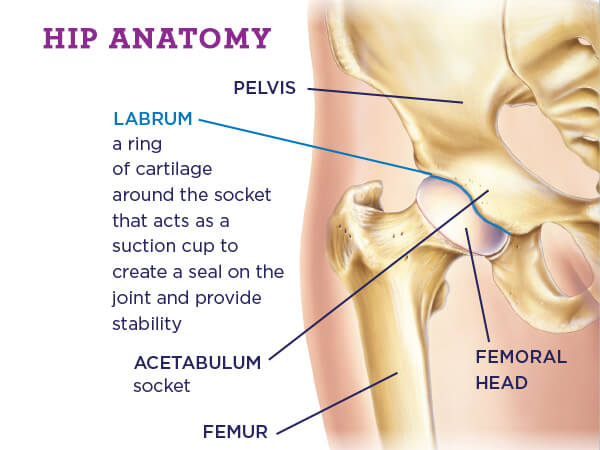
What is Hip Bursitis?
Hip bursitis happens when the small, fluid-filled sacs that cushion your hip joints, called bursae, become irritated or inflamed. These sacs help reduce friction between bones and soft tissue, so when they’re swollen, even simple movements can feel sharp or achy. Most people feel pain along the outside of the hip or thigh, especially during prolonged activity or when lying on the affected side.
What Does Hip Bursitis Feel Like?
Hip bursitis pain often begins as sharp, intense discomfort on the outside of the hip, then transitions into a deep, aching pain that spreads across the thigh. Many patients notice:
- Pain at night, especially when lying on the affected hip
- Pain when standing up after sitting
- Worsening pain during long walks, stair climbing or squatting
- Pain that increases with repetitive movement
Groin-related bursitis is less common but can present with discomfort in the front of the hip.
Can Hip Bursitis Be Prevented?
You may not be able to prevent hip bursitis entirely, but you can reduce your risk and protect your hips by:
- Avoiding repetitive hip-stress activities when possible
- Maintaining strength and flexibility in the hip and core muscles
- Using shoe inserts for leg-length differences
- Managing weight to reduce pressure on the joint
How is Hip Bursitis Treated?
Many patients find relief without surgery. Common treatment strategies include:
- Activity modification
- Anti-inflammatory medications (NSAIDs)
- Assistive devices
- Physical therapy
- Steroid injections
Surgery is rarely needed for hip bursitis. However, if symptoms persist despite comprehensive non-surgical treatment, your surgeon may recommend a hip arthroscopy where removing the inflamed bursa is part of the plan to reconstruct the hip joint to be more stable. Or, bursas are also sometimes removed during a hip replacement. Once we understand the root cause of your hip bursitis and any other issues with your hip, we will work with you on a comprehensive treatment plan that typically starts conservative before progressing to invasive, depending also on your preferences and goals.
Treat Hip Bursitis at OrthoNebraska
Need help with hip bursitis in the Omaha area? At OrthoNebraska, we want to make sure that our patients feel understood, safe and confident to take on an appropriate treatment plan. With proper management, we can help you reduce pain levels and improve quality of life.
Hip Bursitis Specialists
-
 Neil W. Antonson, MDHip and Knee Replacement
 -
 Charles F. Burt, MDHip Preservation and Arthroscopy, Sports Medicine
 -
 Mark E. Goebel, MDHip, Joint Replacement, Knee, Shoulder, Sports Medicine
 -
 Craig L. Hansen, MDHip, Joint Replacement, Knee
 -
 Jace J. Heiden, MDSports Medicine, Knee, Shoulder, Hip Arthroscopy
 -
 Ajoy K. Jana, MDHip, Joint Replacement, Knee
 -
 Sayfe A. Jassim, MDHip, Joint Replacement, Knee
 -
 Steven G. Kumagai, MDHip, Joint Replacement, Knee
 -
 Michael A. Stojanovic, MDHip, Joint Replacement, Knee
 -
 Joshua A. Urban, MDHip, Joint Replacement, Knee
 -
 Paul A. Watson, MDHip Arthroscopy, Sports Medicine, Joint Replacement