
Kyphosis
Sometimes also called hunchback, roundback or humpback

Kyphosis is a condition where the upper back curves forward more than normal, creating a rounded or hunched appearance.
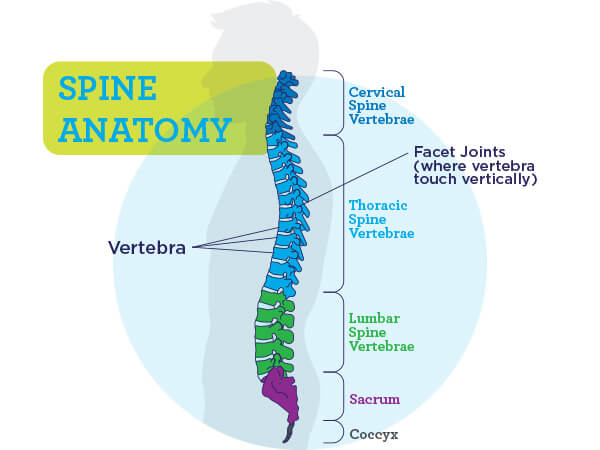
While mild curvature is common — and a healthy spine is curved by design — excessive forward rounding of the spine can cause pain, stiffness, fatigue or difficulty standing upright. In severe cases, kyphosis may also affect breathing or mobility. Most people improve with nonsurgical care, but surgery may be recommended for more advanced cases.
What is Kyphosis?
Kyphosis occurs when the vertebrae of the upper back (thoracic spine) curve outward excessively. Some people notice only a rounded posture (or “hunchback”), while others experience pain, muscle fatigue and self-consciousness about their appearance. Kyphosis can develop in children, teens or adults, depending on the underlying cause.
There are several types of kyphosis:
- Postural Kyphosis: The most common type, usually caused by slouching or weakened spinal muscles. It is flexible and often improves with posture training and strengthening.
- Scheuermann’s Kyphosis: Caused by wedge-shaped vertebrae that create a more rigid, structural curve. It often becomes noticeable during adolescence and may cause pain or stiffness.
- Congenital Kyphosis: Present at birth when the spine does not form properly in the womb. This curve can worsen as the child grows and may require early surgery.
- Age-Related/Hyperkyphosis: Often caused by weakened vertebrae, compression fractures, osteoporosis or disc degeneration. It is common in older adults.
- Cervical Kyphosis: Forward curvature in the neck region.
What Causes Kyphosis?
Kyphosis can develop for several reasons, depending on age and underlying health:
- Poor posture and weak spinal muscles
- Compression fractures, often due to osteoporosis
- Abnormal bone development (as in Scheuermann’s disease)
- Degenerative disc changes with aging
- Structural issues present at birth
- Spinal injury or trauma
- Neuromuscular and connective tissue conditions (rare)
What are the Signs and Symptoms of Kyphosis?
Symptoms vary from barely noticeable to significantly disruptive. You may experience:
- Rounded shoulders or visible hunching
- Stiffness or aching in the upper back
- Fatigue, especially after standing or sitting
- Tight hamstrings
- Difficulty maintaining upright posture
More severe kyphosis may lead to:
- Pain that interferes with activity
- Numbness or tingling in the legs
- Balance problems
- Trouble breathing due to lung compression
- Digestive issues from abdominal pressure
- Reduced ability to look upward or lie flat comfortably
Seek immediate care (Emergency Room) if you have trouble breathing or sudden neurological symptoms.
Can Kyphosis Be Prevented?
Some types of kyphosis cannot be prevented, but you may lower your risk by:
- Maintaining good posture
- Strengthening core and back muscles
- Staying flexible
- Maintaining bone health
- Managing osteoporosis if present
How is Kyphosis Treated?
Diagnosis begins with a physical exam. Your provider will check your posture, spine alignment, hamstring tightness and pain pattern. A simple bending-forward test may help show the curvature.
To measure the degree and cause of kyphosis, your provider may order imaging or pulmonary testing, if breathing symptoms are present.
Treatment depends on age, curve severity and cause. Most people improve with nonsurgical care.
Kyphosis Nonsurgical Treatment
- Physical Therapy: Strengthening the back and core muscles, improving posture, and stretching tight hamstrings can significantly reduce pain and slow curve progression.
- Anti-inflammatory Medications: Help relieve discomfort and stiffness.
- Activity Modification: Reducing activities that worsen symptoms and improving ergonomics.
- Bracing: Most commonly used in children or teens with Scheuermann’s kyphosis to prevent curve progression during growth.
Kyphosis Surgery
Surgery is considered when:
- The curve is greater than 75 degrees
- Pain is severe and persistent despite conservative treatment
- Neurological symptoms develop
- Congenital kyphosis is worsening
Another possible procedure is a spinal fusion (ALIF, XLIF or traditional), which straightens and stabilizes the spine by joining vertebrae together. Your surgeon will determine whether surgery is appropriate based on your health and type of curvature.
What’s the Kyphosis Recovery and Outlook?
Most cases of kyphosis can be managed successfully without surgery. Early diagnosis offers the best chance to prevent worsening of the curve. When surgery is needed, it often improves both posture and pain.
Even after treatment, kyphosis can return — especially if posture habits don’t change or underlying conditions (like osteoporosis) remain untreated. Your provider may recommend long-term follow-up to monitor your spine health.
Kyphosis Specialists
-
 Katie C. Berky, MDBack, Neck, Headache
 -
 Andrew E. Huff, MDBack, Neck
 -
 Matthew L. Miller, MDBack, Neck
 -
 Noah E. Porter, MDBack, Neck
 -
 Apollo A. Stack, MDBack, Neck, Headache