
Neck Injuries

Arthritis occurs when joints become inflamed or begin to wear down, leading to pain and stiffness that can interfere with daily movement. This condition is especially common as people age but can also be influenced by other risk factors.
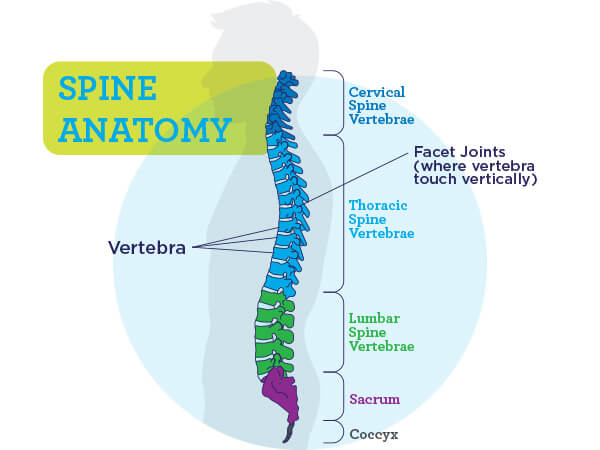
If you’ve suffered a fall, sports injury, or car accident and are feeling pain, stiffness, or weakness in your neck, it’s important not to ignore it. Even minor neck injuries can affect the spinal cord or nerves, and a timely diagnosis can make a significant difference in recovery.
What are Neck Injuries?
A neck injury is a type of spinal cord or cervical spine injury that occurs when trauma causes the bones (vertebrae), muscles, ligaments, or nerves in the neck to be damaged.
Because the neck houses the upper portion of the spinal cord, even small injuries can have significant consequences. Depending on the severity, symptoms may include pain, limited movement, numbness, tingling, or even paralysis.
What Causes Neck Injuries?
Neck injuries can be caused by a variety of traumatic events or stress-related conditions, including:
- Falls or slips, especially in older adults
- Motor vehicle accidents (whiplash injuries)
- Sports collisions or contact injuries
- Sudden twisting or hyperextension of the neck
- Repetitive strain from poor posture or improper lifting
- Degenerative spinal conditions that weaken bone or tissue
In severe cases, fractures or dislocations can compress or damage the spinal cord, resulting in loss of sensation or movement below the level of the injury.
What are Risk Factors for a Neck Injury?
While anyone can experience a neck injury, certain factors increase risk:
- Participation in high-impact sports
- Osteoporosis or weakened bones
- Age-related degeneration of the spine
- Poor posture or muscle imbalances
- Previous neck injury or surgery
- High-speed or rollover motor vehicle accidents
What are Common Symptoms of Neck Injuries?
Symptoms depend on the severity and location of the injury. Possible signs include:
- Pain or tenderness in the neck or shoulders
- Stiffness or reduced range of motion
- Tingling, numbness, or weakness in the arms or hands
- Headaches or dizziness
- Difficulty walking, loss of balance, or coordination issues
- In severe cases, partial or complete paralysis or problems with bowel or bladder control
Even if symptoms seem mild, it’s important to seek medical evaluation — because nerve damage often heals either quickly or not at all.
How Are Neck Injuries Treated?
A detailed diagnosis helps to guide treatment and prevent long-term damage. Your provider will begin with a thorough medical history and physical exam, followed by imaging or specialized testing like X-rays, MRIs or CT scans. These results help determine whether the injury involves the spinal cord, nerves, or muscular support structures.
Treatment depends on the type and severity of the injury, as well as how it affects the spinal cord or surrounding nerves.
Nonsurgical Treatment Options
For mild to moderate injuries:
- Medications such as NSAIDs or muscle relaxants for pain and inflammation
- Physical therapy focused on posture correction, neck strength, and flexibility
- Steroid injections to reduce nerve pain and inflammation
- Activity modification and ergonomic adjustments to avoid re-injury
Surgical Treatment Options
If a fracture or dislocation is causing compression on the spinal cord or nerves, surgery may be required to stabilize the spine. Procedures might include:
- Spinal fusion to restore alignment and stability
- Decompression surgery to relieve pressure on the spinal cord or nerves
- Internal fixation to repair fractures or dislocations
How Can I Prevent Hurting My Neck?
While not all injuries can be avoided, you can reduce your risk by:
- Using proper form when lifting or exercising
- Wearing seat belts and using headrests correctly in vehicles
- Avoiding repetitive strain and improving posture at work
- Strengthening neck and core muscles for better spinal support
- Using protective equipment during sports and physical activity
Treat Neck Arthritis at OrthoNebraska
At OrthoNebraska, we want to make sure that our patients feel understood, safe and confident to take on an appropriate treatment plan. With proper management, we can help you reduce pain levels and improve quality of life.
Neck Injury Specialists
-
 Katie C. Berky, MDBack, Neck, Headache
 -
 Matthew G. Hahn, MDBack, Neck, Physiatry
 -
 Andrew E. Huff, MDBack, Neck
 -
 Matthew L. Miller, MDBack, Neck
 -
 Noah E. Porter, MDBack, Neck
 -
 Apollo A. Stack, MDBack, Neck, Headache