
Osgood-Schlatter Disease
A disease impacting mostly adolescents as they grow and become active
During growth spurts, stress on the tibial tubercle can lead to inflammation, pain and a noticeable bump on the shin.
The tibial tubercle, a bony bump on the front of the shinbone, is the attachment point for the patellar tendon, which connects the kneecap to the shinbone. The quadriceps muscles in the front of the thigh pull on this tendon during physical activity.
What is Osgood-Schlatter Disease?
Osgood-Schlatter disease is a common cause of knee pain in growing children and adolescents. It occurs when the area just below the kneecap — where the patellar tendon attaches to the tibia — becomes irritated and inflamed. This usually happens during growth spurts, when bones, muscles and tendons are rapidly changing.
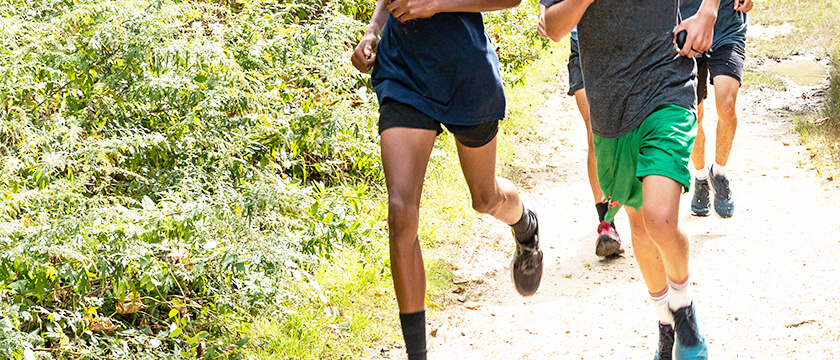
The condition is most common in teens who are active in sports that involve running, jumping or repetitive knee movements. Less active adolescents can also develop Osgood-Schlatter disease.
What Are the Signs and Symptoms of Osgood-Schlatter Disease?
Children and adolescents with Osgood-Schlatter disease often experience:
- Pain and tenderness at the top of the shinbone (tibial tubercle)
- Swelling around the tibial tubercle
- Tightness in the front or back of the thigh
- Symptoms may worsen during activities like running, jumping or kneeling
- Occasionally, both knees are affected, though one may be worse
How is Osgood-Schlatter Disease Treated?
Osgood-Schlatter disease usually resolves on its own once the growth plates close (around age 14 for girls and 16 for boys). The goal of treatment is to reduce pain and inflammation while allowing safe participation in sports.
Nonsurgical Treatment
- Rest and activity modification: Limit activities that worsen pain
- Ice: Apply cold packs for 15–20 minutes, several times a day, especially after activity
- NSAIDs: Over-the-counter anti-inflammatory medication like ibuprofen or naproxen
- Stretching exercises: Focus on quadriceps and hamstrings, performed 3–4 times daily
- Patellar tendon strap: A band worn just below the kneecap to relieve stress on the tibial tubercle
Physical Therapy
- Strengthening and flexibility exercises for thigh muscles
- Gradual return to activity as tolerated
More about orthopedic physical therapy
What is the Recovery and Outlook for Osgood-Schlatter Disease?
Pain usually disappears after growth spurts have finished. The bony bump of the tibial tubercle may remain prominent, but it generally does not cause long-term problems. Children can safely continue physical activity as tolerated, with symptoms managed through stretching, strengthening and activity modification
Osgood-Schlatter disease is temporary and manageable. With proper care, children can continue sports and everyday activities while symptoms resolve naturally over time.
Treat Osgood-Schlatter Disease at OrthoNebraska
Does your child need relief from painful knees and shins in the Omaha area? At OrthoNebraska, we want to make sure that our patients feel understood, safe and confident to take on an appropriate treatment plan. With proper management, we can help you reduce pain levels and improve quality of life.
Osgood-Schlatter Disease Specialists Experts
-
 Ryan M. Arnold, MDKnee, Sports Medicine
 -
 Steven X. Goebel, MDJoint Replacement, Knee, Shoulder, Sports Medicine
 -
 Jace J. Heiden, MDSports Medicine, Knee, Shoulder, Hip Arthroscopy
 -
 Sayfe A. Jassim, MDHip, Joint Replacement, Knee
 -
 Eric M. Samuelson, MDKnee, Shoulder, Sports Medicine
 -
 Michael A. Stojanovic, MDHip, Joint Replacement, Knee
 -
 Matthew K. Tingle, MDSports Medicine, Shoulder, Knee, Elbow
 -
 Joshua A. Urban, MDHip, Joint Replacement, Knee
 -
 Paul A. Watson, MDHip Arthroscopy, Sports Medicine, Joint Replacement