Spinal Stenosis
If you’re experiencing pain when you’re upright, but it’s relieved by sitting or leaning forward, it may be spinal stenosis.
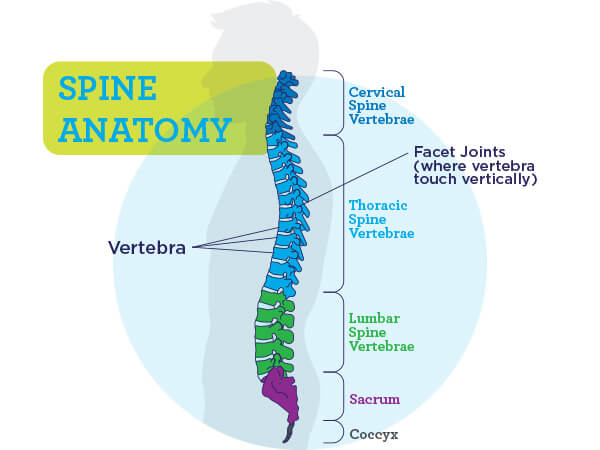
What is Spinal Stenosis?
Spinal stenosis occurs when the spaces in your spine narrow, putting pressure on the spinal cord or the nerves that provide sensation and strength to your legs.
This often leads to pain in the low back, buttocks, thighs, calves, or groin. Many people also experience tingling, weakness, cramping, or fatigue in their legs. Symptoms are usually worse when standing or walking and tend to improve when sitting or leaning forward.
What Causes Spinal Stenosis?
The most common cause of spinal stenosis is age-related wear and tear, often linked to arthritis. As the spine changes over time, bone spurs and thickened ligaments can crowd the spinal canal. Other causes may include injury, birth defects, herniated discs, tumors, or bone diseases.
Because spinal stenosis develops gradually, many patients don’t notice symptoms until later in life.
Who is Most at Risk for Spinal Stenosis?
The likelihood of developing spinal stenosis increases with age. In fact, it is the most common reason for spinal surgery in patients over 65. Additional risk factors include a history of arthritis, spinal injury, or congenital spine narrowing.
What are the Common Symptoms?
Patients with spinal stenosis typically report:
- Low back, buttock, thigh, calf, or groin pain
- Numbness or tingling in the legs
- Weakness, cramping, or fatigue while standing or walking
- Relief when sitting or leaning forward, such as over a shopping cart
How is Spinal Stenosis Diagnosed?
A diagnosis begins with your history and symptoms, as imaging alone cannot confirm stenosis. Your doctor will examine your spine, test your strength, reflexes, and sensation, and may observe how you walk. Imaging tests can help confirm findings.
What are the Treatment Options for Spinal Stenosis?
At OrthoNebraska, our spine specialists work to restore function and reduce pain, often without surgery. Common treatments include:
- Physical therapy to improve posture, core strength, and flexibility
- Medications such as NSAIDs, nerve pain medications or muscle relaxants
- Epidural steroid injections for targeted relief
- Surgery, recommended only when necessary
How Can Patients Manage Spinal Stenosis at Home?
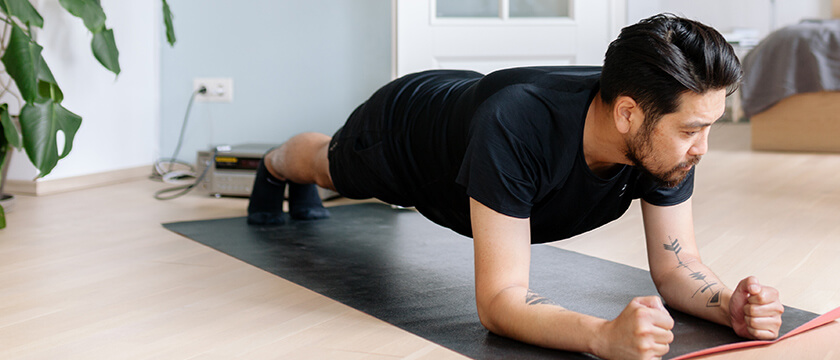
Home exercise programs help maintain strength, flexibility, and mobility. While injections and medications may provide relief, consistent rehabilitation and activity are key to long-term improvement.
Treat Spinal Stenosis at OrthoNebraska
At OrthoNebraska, you’ll work closely with your care team to develop a treatment plan tailored to your unique needs. Together, we’ll weigh the risks and benefits of each option and create the best path forward for you.
Spinal Stenosis Specialists
-
 Katie C. Berky, MDBack, Neck, Headache
 -
 Andrew E. Huff, MDBack, Neck
 -
 Matthew L. Miller, MDBack, Neck
 -
 Noah E. Porter, MDBack, Neck
 -
 Apollo A. Stack, MDBack, Neck, Headache