
Spine Infections

Spine infections are rare but serious conditions that can happen after surgery, trauma, or from bacteria spreading through the bloodstream. Prompt diagnosis and treatment are essential to prevent long-term damage.
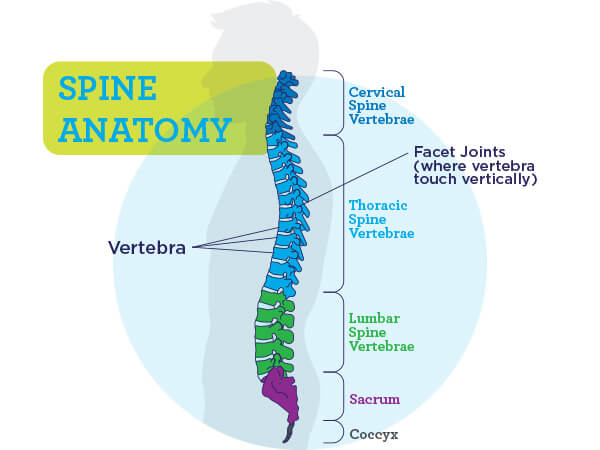
What Causes Spine Infections?
Infections may begin in the skin or soft tissue and spread to the bones (osteomyelitis) or joints (septic arthritis). They can be caused by:
- Open wounds or puncture injuries that allow bacteria inside
- Underlying health conditions like diabetes, rheumatoid arthritis, HIV, or sickle cell anemia, which weaken the immune system
- Bloodstream infections that reach the spine
- Surgery involving implants, screws or plates
In children, infections may develop more quickly because their immune systems are still developing.
Any time an implant, screw or other foreign material is placed in the spine, there is a small risk of infection — at OrthoNebraska, we have some of the lowest infection rates in the nation thanks to our rigorous infection control practices.
What Symptoms Should I Watch For?
Spine infections can worsen quickly. Seek immediate medical attention if you notice:
- Redness, warmth, or swelling around the spine
- Stiffness and loss of motion
- Pus or drainage at a surgical site
- Fever or chills
- Severe back pain that does not improve
- New weakness, numbness, or tingling
In infants and children, watch for irritability, refusal to eat, vomiting, limping, or refusal to walk.
How are Spine Infections Diagnosed?
Because infections can be life-threatening, doctors act quickly to confirm a diagnosis. Evaluation may include:
- Physical exam to check for swelling, warmth, and limited motion
- Blood tests to detect signs of infection
- Imaging such as X-rays, MRI or CT scans to see how deeply the infection has spread
- Aspiration (needle drainage) to identify the bacteria causing the infection
How are Spine Infections Treated?
Spine infections are medical emergencies. Treatment depends on severity but may include:
- Antibiotics (oral or IV) to target the bacteria
- Drainage procedures to remove infected fluid or pus
- Surgery to clean out infected tissue, stabilize the spine, and remove implants if needed
- Rehabilitation after treatment to restore function and prevent long-term complications
In rare, severe cases, untreated infections can destroy bone or surrounding tissue and may even require more advanced procedures.
Can Spine Infections be Prevented?
While not all infections can be avoided, prevention strategies include:
- Careful wound cleaning after injuries
- Keeping surgical areas clean and following post-op instructions
- Practicing good handwashing and hospital hygiene
- Managing chronic diseases like diabetes to keep the immune system strong
Treat Spine Infections at OrthoNebraska
Looking for relief from spine infections in the Omaha area? At OrthoNebraska, our team acts quickly to diagnose and treat infections before they can cause long-term problems. You’ll work with your care team to create a treatment plan built for your specific needs, with the goal of eliminating infection and preserving bone and joint health for your quality of life.
Spine Infection Specialists
-
 Andrew E. Huff, MDBack, Neck
 -
 Matthew L. Miller, MDBack, Neck
 -
 Noah E. Porter, MDBack, Neck
 -
 Apollo A. Stack, MDBack, Neck, Headache
Related to Spine Infections
-
 OrthoNebraska Performs First Endoscopic Spine Procedure in the State
-
OrthoNebraska Earns Highest Overall Rating from Medicare
-
 Back & Neck Pain Relief: What To Do from our Spine Specialists
-
 Surgery Doesn’t Start in the OR: Rethinking Orthopedic Care
-
 Questions to Ask Your Back or Neck Doctor Before Surgery