
01/05/2026
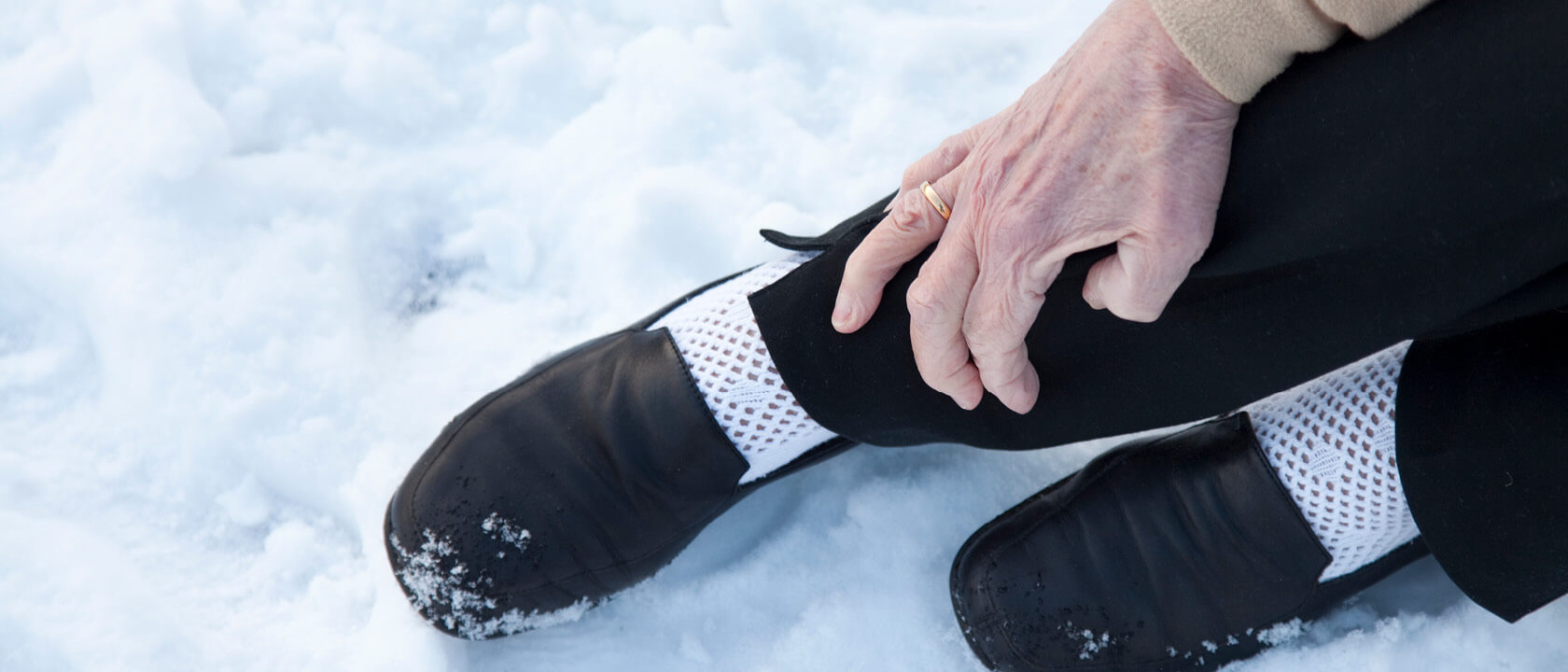
With snow and ice comes an increased risk of slip and fall accidents. Each year, we see a significant rise in patients who have been injured after slipping and falling on ice.
A common result of these accidents is an injury to the hand or wrist. It’s a natural human reflex to extend your arms to break a fall. While this instinct can protect your head and torso, it places immense force on your hands, wrists and arms. This specific type of incident is known as a FOOSH injury, which stands for “Falling Onto an Outstretched Hand.” These injuries are frequent consequences of slips and falls and can range from minor sprains to severe fractures.
SCHEDULE WITH A HAND AND WRIST SPECIALIST
FOOSH Injuries
When you fall onto an outstretched hand, your wrist absorbs the full impact of your body weight. The complex structure of the wrist isn’t designed to withstand such sudden, forceful pressure.
Slipping and falling can lead to several types of hand and wrist injuries:
- Wrist Fractures: The most common fracture from a FOOSH injury is a distal radius fracture, where the radius bone in your forearm breaks near the wrist.
- Sprains and Strains: A fall can stretch or tear the ligaments that connect the bones in your wrist, resulting in a sprain. The pain and swelling can be significant, and severe sprains may require immobilization or therapy to heal correctly.
- Dislocations: The force of the impact can push the bones in your wrist or fingers out of their normal alignment. A dislocation is a serious injury that requires immediate medical attention to reposition the bones and prevent further damage.
- Soft Tissue Injuries: Beyond bones and ligaments, a fall can damage tendons and muscles in your hand and arm, leading to pain, bruising and limited mobility.
Hurting yourself in a fall is more than a temporary inconvenience. Without proper diagnosis and treatment, these injuries can lead to chronic pain, stiffness, arthritis and sometimes even permanent loss of function.
How to Prevent Injuries from Slipping and Falling on Ice
Prevention is the most effective strategy for avoiding a painful injury this winter. By being mindful of your surroundings and taking simple precautions, you can significantly reduce your risk of a slip and fall accident.
Choose the Right Shoes
Your choice of shoes is your first line of defense against icy surfaces.
- Prioritize traction by wearing boots or shoes with deep treads.
- Avoid hard, smooth soles which offer little to no traction on ice. If you need to wear these shoes at your destination, pack them with you and change once you are safely indoors.
- For particularly icy conditions, you can purchase removable ice cleats or grippers that stretch over your shoes.
Adjust Your Walking Habits
How you walk on potentially slippery surfaces can make a major difference.
- Slow down, plan ahead and take your time. Rushing increases your chances of losing your balance.
- Small, shuffling steps help keep your center of gravity stable. Think like a penguin — waddle slightly with your feet pointed outward to create a wider base of support.
- Avoid carrying heavy bags or keeping your hands in your pockets. Keeping your arms free and slightly out to your sides will improve your balance and allow you to react more quickly if you do start to slip.
Be Aware of Your Environment
Vigilance is key to navigating winter hazards safely.
- Actively look for patches of ice, especially in shaded areas or on surfaces that appear wet. “Black ice” is a thin, transparent layer of ice that is particularly dangerous because it’s difficult to see.
- Whenever possible, use shoveled and salted paths. Even if it means taking a slightly longer route, it’s the safer option.
- Use available handrails, which provide stability if you start to slip.
- The ground next to your car is a common spot for ice to form. Hold onto your vehicle for support as you enter and exit.
What to Do If You Get Hurt in a Fall
Even with the best precautions, accidents can happen.
Symptoms that require immediate attention include severe pain, swelling, bruising, any obvious deformities, numbness, tingling and an inability to move parts of your body.
An orthopedic specialist can accurately diagnose your injury and develop a personalized treatment plan, which may range from simple immobilization all the way to surgery for complex breaks.
Following a diagnosis, our dedicated hand therapists can guide you through a rehabilitation program designed to restore strength, flexibility and function.
If you suffer an injury from a fall, schedule an appointment. Our orthopedic urgent care centers are available to provide specialized care, including on nights and weekends.
SEE CURRENT URGENT CARE WAIT TIMES