

05/27/2025
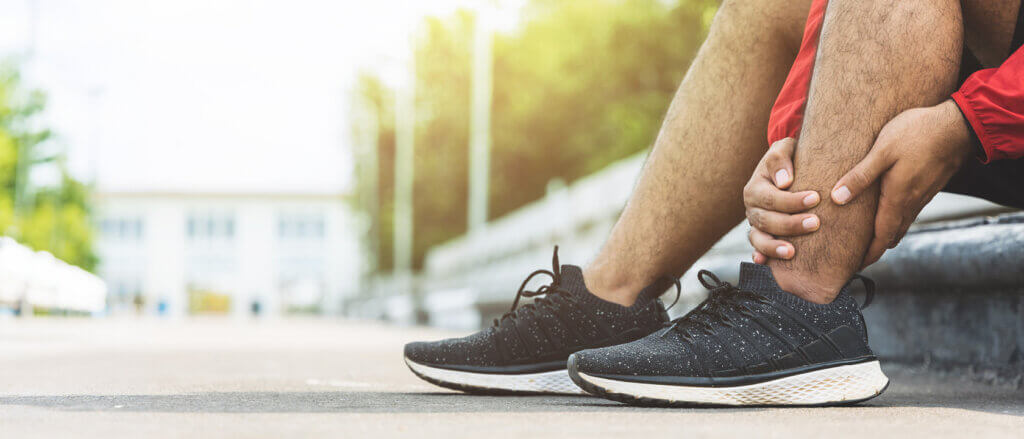
When high-impact activities like running, dancing or sports leave you with sore shins, you may be dealing with shin splints. Also called medial tibial stress syndrome (MTSS), shin splints occur when repetitive stress causes pain and inflammation along the shinbone (tibia). If this sounds familiar, you’re not alone. Shin splints are common among athletes and active individuals, but the good news is they’re manageable with the right approach.
Here’s a simplified guide to help you understand, treat and prevent shin splints effectively.
Why Shin Splints Happen
Shin splints are generally caused by overuse or increased stress on the legs, paired with inadequate time for healing and recovery. The onset of symptoms typically occurs shortly after an abrupt boost in activity intensity or duration. Runners, dancers and even military recruits are particularly prone. Common Risk Factors:
- Rapidly increasing mileage or workout frequency
- Dietary or nutritional deficiencies
- History of previous fracture or bone stress injury
- Flat feet or overpronation
- Running on hard or uneven surfaces
- Worn-out or unsupportive footwear
- Muscle imbalances or weakness in the calves or hips
Ignoring shin splints can sometimes lead to more serious problems, like stress fractures, so it’s important to address them early.
Spotting the Symptoms
Shin splints often come with the following signs:
- Dull, aching pain along the shin during activity.
- Tenderness or discomfort when touching the shin.
- Swelling in some cases.
- Pain that decreases with rest but returns with exercise.
If these symptoms sound familiar, the next step is to focus on recovery.
Effective Treatments for Shin Splints
Most cases of shin splints respond well to conservative treatments that relieve pain and reduce inflammation. Here’s how to get started:
- Active Rest: Take a break from activity that increases pain to allow your shins time to heal.
- Ice: Apply ice packs to the affected area for 10 to 20 minutes at a time to ease inflammation.
- Pain Relief: Over-the-counter anti-inflammatory medications, like ibuprofen, can help reduce discomfort.
- Try to discontinue the use of these medications before engaging in physical activity.
- Strengthening Exercises: Build your calf and hip muscles to improve stability and reduce strain.
- Stretching: Regularly stretch your calves and ankles to prevent tightness.
- Maintain Fitness: Replace high-impact exercise with swimming, cycling or cross-training while you recover.
- Supportive Shoes: Invest in quality footwear with ample cushioning and arch support.
With a combination of these strategies, most people can recover within a few weeks. However, expert guidance can speed up your recovery and prevent future issues.
Why OrthoNebraska Is Your Trusted Partner
At OrthoNebraska, we specialize in helping people recover from conditions like shin splints and stay injury-free. Here’s what sets us apart:
Expert Care
- Specialized Therapists: Our team includes experienced physical therapists skilled in treating lower-body injuries.
- Tailored Plans: We’ll create personalized treatment programs aligned with your goals and specific needs.
Comprehensive Solutions
Our advanced therapies address both symptoms and root causes of shin splints:
- Custom orthotics to support proper foot alignment.
- Running analysis through programs like Optimum Stride to identify and correct gait issues.
- Progressive return to desired activity with an individualized program.
- Dry needling and Kinesio Taping to reduce pain and improve mobility.
Proven Outcomes
OrthoNebraska is proud to rank among the top 19% nationally for functional recovery outcomes. You can trust us to deliver results.
Prevention Tips to Stay Healthy
Even if you’re not dealing with shin splints now, adopting these habits can help you avoid them altogether:
- Gradually increase workout intensity and duration.
- Use well-cushioned, supportive footwear designed for your activity.
- Strengthen your hips, calves and feet with targeted exercises.
- Stretch before and after exercise to maintain flexibility.
- Crosstrain to avoid overworking the same muscles.
- Opt for softer surfaces, like grass or trails, when running.
- Optimize nutrition and energy availability to assist with recovery.
Our proactive programs, like Optimum Stride and Sports Performance Training, can assess your movement patterns and help prevent injuries before they occur.
Start Your Journey to Pain-Free Movement
Shin splints don’t have to slow you down. With OrthoNebraska’s expert care and state-of-the-art treatments, we’ll help you recover quickly and get back to the activities you love. It’s always our top priority.
Schedule your first consultation today and take the first step toward pain-free living.