
Knee Arthritis
Knee arthritis, or osteoarthritis, is a very common cause of knee pain and hurts mobility as we age

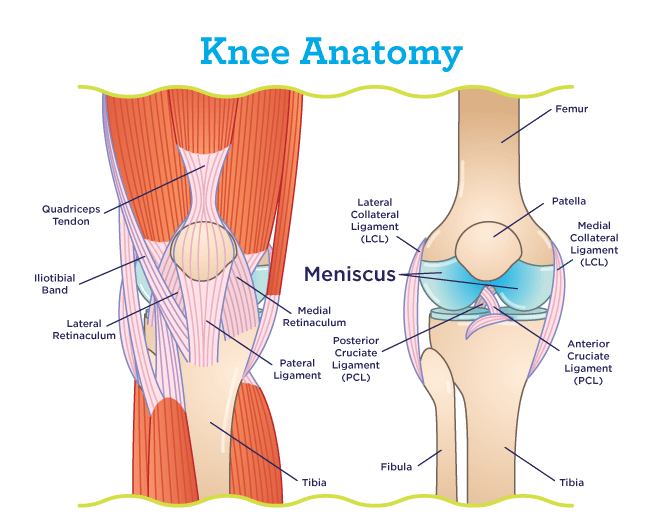
Arthritis is inflammation of one or more joints, and the knee is one of the most commonly affected joints.
Knee arthritis can cause pain, swelling, stiffness and reduced mobility, making everyday activities such as walking, climbing stairs or squatting difficult.
While arthritis can affect anyone, it is most common in adults and often worsens over time. There is no cure, but a variety of treatments can help manage symptoms, maintain joint function and improve quality of life.
Schedule Now with a Knee Specialist
What are the Types of Knee Arthritis?
Osteoarthritis
- The most common form of knee arthritis
- Caused by degeneration of cartilage over time
- Leads to bone rubbing on bone and sometimes bone spurs
- Develops gradually, with worsening pain and stiffness
Rheumatoid Arthritis
- An autoimmune disease where the immune system attacks the joint
- Causes swelling, pain and stiffness, usually in both knees
- Can damage cartilage, ligaments and bone over time
Post-traumatic Arthritis
- Develops after a knee injury (fracture, meniscus tear, ligament injury)
- Injury leads to instability and cartilage wear, causing arthritis years later
What are Knee Arthritis Symptoms?
You may be experiencing knee arthritis if you notice:
- Stiffness or swelling that limits bending or straightening
- Pain during or after activity
- “Locking” or “sticking” sensations
- Weakness or buckling of the knee
- Pain that worsens with weather changes
Other signs include crepitus (grating, snapping or clicking), morning stiffness and gradual loss of joint function.
How is Knee Arthritis Treated?
Nonsurgical Treatment for Knee Arthritis
Initial treatment focuses on relieving pain, reducing inflammation and maintaining joint function.
- Lifestyle changes: reduce stress on the knee, switch to low-impact activities (swimming, cycling) and lose weight if necessary
- Physical therapy to strengthen muscles and improve flexibility, balance and stability
- Assistive devices: cane, knee brace or sleeve
- Heat or cold therapy
- Platelet-rich plasma (PRP) injections
- Medications:
- Over-the-counter pain relievers and NSAIDs
- Topical NSAID gels
- Corticosteroid injections for short-term relief
Knee Arthritis Surgery
Surgery may be recommended when nonsurgical treatments are insufficient or pain severely limits daily activities.
- Cartilage grafting: restores damaged cartilage in younger patients
- Synovectomy: removes inflamed joint lining in rheumatoid arthritis
- Osteotomy: reshapes the bone to shift weight away from damaged areas
- Knee replacement (arthroplasty):
- Partial replacement: for damage in one part of the knee (not often performed in today’s day and age)
- Total knee replacement: for more extensive arthritis
Knee Arthritis Recovery and Outlook
Recovery depends on the severity of the arthritis and the treatment. You may go through physical therapy, use an assistive device as needed and gradually return to normal activities, where most patients experience significant pain relief and improved mobility, especially after surgery.
Treat Knee Arthritis at OrthoNebraska
Need relief from painful arthritis of the knees in the Omaha area? At OrthoNebraska, we want to make sure that our patients feel understood, safe and confident to take on an appropriate treatment plan. With proper management, we can help you reduce pain levels and improve quality of life.
Knee Arthritis Experts
-
 Neil W. Antonson, MDHip and Knee Replacement
 -
 Mark E. Goebel, MDHip, Joint Replacement, Knee, Shoulder, Sports Medicine
 -
 Steven X. Goebel, MDJoint Replacement, Knee, Shoulder, Sports Medicine
 -
 Craig L. Hansen, MDHip, Joint Replacement, Knee
 -
 Ajoy K. Jana, MDHip, Joint Replacement, Knee
 -
 Sayfe A. Jassim, MDHip, Joint Replacement, Knee
 -
 Steven G. Kumagai, MDHip, Joint Replacement, Knee
 -
 Michael A. Stojanovic, MDHip, Joint Replacement, Knee
 -
 Matthew K. Tingle, MDSports Medicine, Shoulder, Knee, Elbow
 -
 Joshua A. Urban, MDHip, Joint Replacement, Knee
 -
 Paul A. Watson, MDHip Arthroscopy, Sports Medicine, Joint Replacement