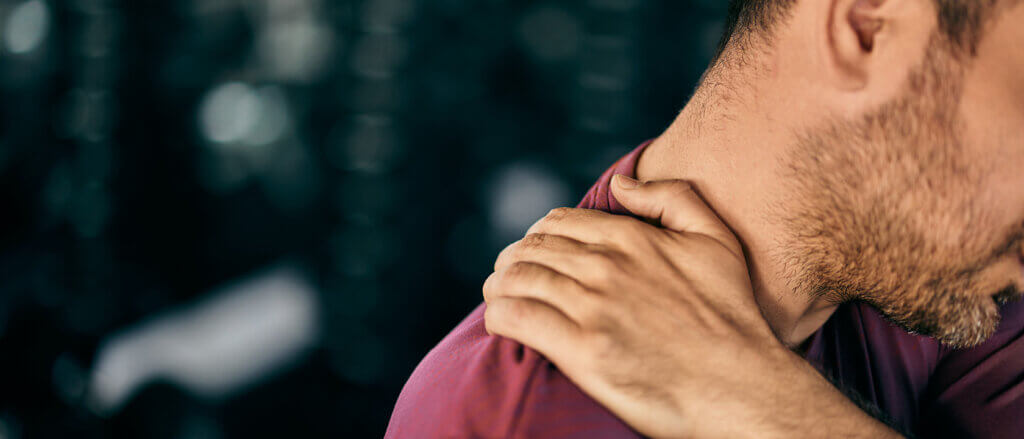
Shoulder Joint Tear
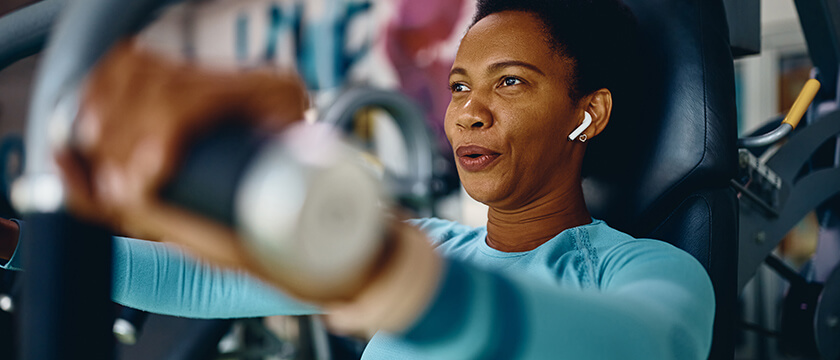
When the soft tissue rim that stabilizes the shoulder socket is torn, it can cause pain, weakness or a feeling that the shoulder is slipping or catching. Shoulder joint tears often develop after a fall, sudden pull or forceful overhead motion, but they can also come from repetitive activities like lifting, throwing or working overhead.
What Is a Shoulder Joint Tear?
A shoulder joint tear happens when the labrum, the soft rim of tissue that lines the shoulder socket, is damaged. This rim helps deepen the socket and stabilize the shoulder. When torn, the joint may become painful or unstable.
There are several types of labral tears:
- SLAP tear (Superior Labrum Anterior to Posterior): A tear at the top of the socket, often involving the biceps tendon.
- Bankart tear: A tear in the front-lower portion of the socket, commonly linked to shoulder dislocation.
- Posterior labral tear: A tear in the back portion of the socket caused by trauma or degenerative wear.
What are Symptoms of a Torn Labrum?
You may have a shoulder joint tear if you’re experiencing:
- Feeling like your shoulder is unstable
- Repeated dislocations
- Pain with overhead activities
- Catching, popping, locking or grinding sensations
- Nighttime pain
- Reduced range of motion
- Loss of shoulder or arm strength
How is a Shoulder Joint Tear Treated?
Nonsurgical treatment usually involves anti-inflammatory medication, rest and activity modification and rehabilitation exercise to strengthen the rotator cuff and stabilize the joint.
Labrum Tear Surgery
Many labrum tears improve without surgery, but if nonsurgical treatment isn’t effective, your team may recommend surgery.
- Arthroscopic repair using small incisions and miniature instruments
- Labrum trimming or smoothing if the tear is minor
- Reattachment or reconstruction
- Biceps tendon repair or transfer if the tear involves the tendon
- Socket tightening procedures
Not all tears require surgery — and not all tears can be improved with surgery — but an orthopedic specialist will guide you based on your personal situation and injury.
Shoulder Joint Tear Surgery Recovery
After surgery, patients typically:
- Wear a sling for 2–6 weeks
- Begin gentle, passive motion exercises early
- Begin sport-specific activities around 12 weeks
- Reach full recovery in 4–6 months, depending on the injury and activity level
Shoulder Joint Tear Treatment at OrthoNebraska
Do you need relief from a torn labrum in the Omaha area? At OrthoNebraska, we want to make sure that our patients feel understood, safe and confident to take on an appropriate treatment plan. With proper management, we can help you reduce pain levels and improve quality of life.
Schedule Now with a Shoulder Specialist
Shoulder Joint Tear Specialists
-
 Eric K. Bonness, MDJoint Replacement, Shoulder, Sports Medicine
 -
 Jonathan E. Buzzell, MDSports Medicine, Shoulder, Joint Replacement
 -
 Matthew F. Dilisio, MDShoulder, Sports Medicine, Joint Replacement
 -
 Mark E. Goebel, MDHip, Joint Replacement, Knee, Shoulder, Sports Medicine
 -
 Steven X. Goebel, MDJoint Replacement, Knee, Shoulder, Sports Medicine
 -
 Jace J. Heiden, MDSports Medicine, Knee, Shoulder, Hip Arthroscopy
 -
 Kirk S. Hutton, MDJoint Replacement, Shoulder, Sports Medicine
 -
 Scott B. Reynolds, MDSports Medicine, Knee, Shoulder, Elbow
 -
 Eric M. Samuelson, MDKnee, Shoulder, Sports Medicine
 -
 M. Andrew Thompson, MDElbow, Hand & Wrist, Shoulder, Sports Medicine
 -
 Matthew K. Tingle, MDSports Medicine, Shoulder, Knee, Elbow
 -
 Paul A. Watson, MDHip Arthroscopy, Sports Medicine, Joint Replacement