
Low Back Pain

Low back pain is one of the most common health issues in the world, affecting nearly every adult at some point in life.
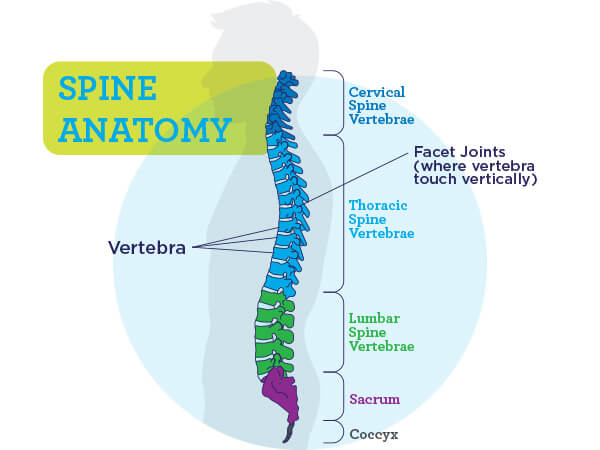
What is Low Back Pain?
Lower back pain can range from a mild, temporary ache to severe, long-lasting pain that disrupts daily activities. Because there are so many possible causes, it can be difficult to know where the pain is coming from or how best to treat it without the help of a spine specialist.
Low back pain describes discomfort that develops in the lumbar region — the area between your rib cage and pelvis. It may come on suddenly or gradually, lasting only a few days or persisting for weeks to months. For some people, pain radiates into the buttock, hip or down the leg (sciatica). For others, it remains localized to the back itself.
What are Common Causes of Lower Back Pain?
Low back pain can develop from a wide variety of conditions, including:
- Overactivity – muscle or ligament strain after unusual activity (yard work, sports, shoveling)
- Disc injury – small tears or herniation of the disc that press on nearby nerves
- Disc degeneration – natural wear-and-tear of spinal discs with age, sometimes accelerated by smoking
- Degenerative spondylolisthesis – slippage of one vertebra over another, irritating nerves
- Spinal stenosis – narrowing of the spinal canal, often due to disc herniations, arthritis, or thickened ligaments
- Scoliosis – abnormal curvature of the spine, sometimes causing pain and nerve compression
- Spinal Compression Fractures – weakened vertebrae due to osteoporosis breaking under minor stress
- Other causes – including infection, vascular disease or cancer (though less common)
What are Symptoms of Low Back Pain?
Symptoms depend on the underlying cause and may include:
- Achy, sharp or stabbing pain in the lower back
- Stiffness that limits movement or flexibility
- Pain that worsens with bending, lifting, sitting or standing
- Pain radiating into the buttock, hip or leg (sciatica)
- Numbness, tingling or weakness in the legs or feet
Seek immediate medical attention if you experience back pain along with fever, chills, unexplained weight loss, significant weakness or loss of bladder or bowel control.
How is Low Back Pain Evaluated and Diagnosed?
Your provider will begin with a physical exam, medical history, and possibly imaging. They may check the range of motion in your back, see if you are tender in specific areas and test reflexes, strength, and sensation in your legs.
What are Treatment Options for Low Back Pain?
Nonsurgical care
Most patients improve with conservative treatments such as:
- Medications: acetaminophen, NSAIDs, steroids, or muscle relaxants
- Physical therapy: stretching, strengthening, and guided exercise programs
- Exercise programs such as yoga, Pilates, or guided conditioning
Surgical options
Surgery is rarely the first step and is only considered if nonsurgical care doesn’t relieve symptoms after several months, or if nerve compression is severe. Surgical options include:
- Spinal fusion: fusing vertebrae to stabilize painful segments
- Discectomy: removing part of a herniated disc to relieve nerve pressure
- Laminectomy: removing bone or ligament to decompress nerves
- Kyphoplasty/vertebroplasty: stabilizing fractures with bone cement
What are Prevention and Lifestyle Tips for Low Back Pain?
While some back pain is unavoidable, you can lower your risk by:
- Exercising regularly to strengthen your core and spine-supporting muscles
- Using proper lifting techniques (lift with your legs, not your back)
- Maintaining a healthy weight
- Avoiding smoking
- Practicing good posture when sitting, standing and working
Low Back Pain Treatment at OrthoNebraska
No two cases of low back pain are alike. If you’re looking for relief from lower back pain in the Omaha area, your care team at OrthoNebraska will tailor a plan that fits your unique needs and lifestyle. Our goal is always to help you recover as quickly and safely as possible.
Low Back Pain Specialists
-
 Katie C. Berky, MDBack, Neck, Headache
 -
 Matthew G. Hahn, MDBack, Neck, Physiatry
 -
 Andrew E. Huff, MDBack, Neck
 -
 Matthew L. Miller, MDBack, Neck
 -
 Noah E. Porter, MDBack, Neck
 -
 Apollo A. Stack, MDBack, Neck, Headache